
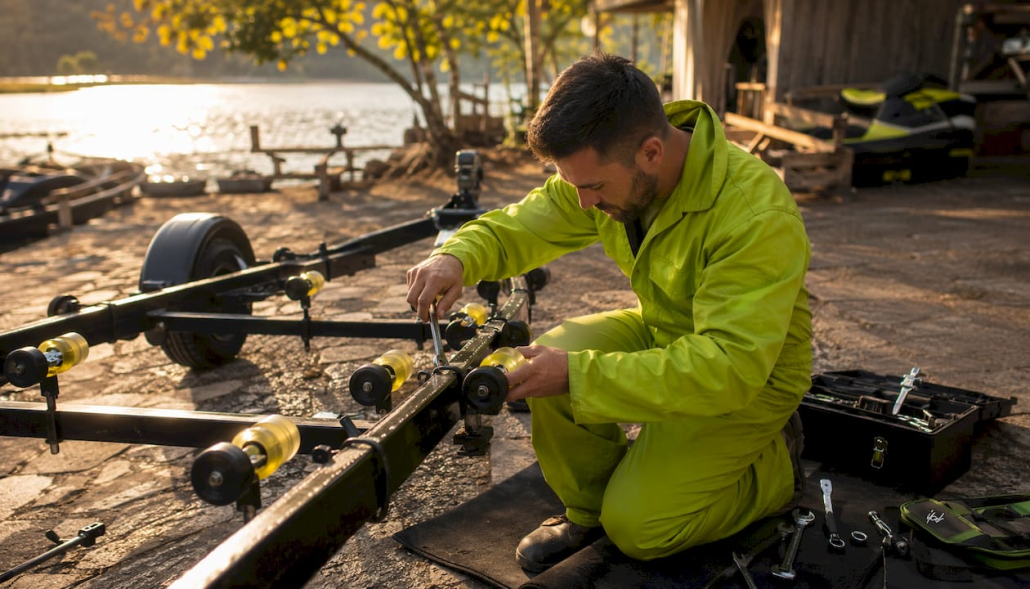
PWC Trailer Guide Rollers Explained for Enthusiasts
PWC trailer guide rollers are specialized roller components mounted on trailers to support and align personal watercraft during launching, loading, and transit. They reduce friction between the hull and trailer frame, protect the hull finish, and make solo launching practical by keeping the PWC centered even in crosswinds or currents. For racing and recreational riders who trailer frequently, understanding how these components work is the foundation of a reliable trailer setup.
What are PWC trailer guide rollers and why do they matter?
Guide rollers are the core of any functional PWC trailer setup. Unlike stationary bunks that rely on carpet or padding for support, rollers provide a low-friction surface that lets the hull glide smoothly on and off the trailer. That difference is felt immediately at the ramp, especially when you’re solo.
- They maintain hull alignment during winching
- They reduce drag that causes gelcoat scratches
- They enable single-person launching by keeping the PWC on path despite crosswinds or currents
- They distribute load across multiple contact points when configured as roller groups
Common types of trailer rollers and when to use each
Not all rollers serve the same function. Matching the right type to your ramp conditions and hull shape directly affects how well your trailer performs.
- Bottom (keel) rollers: Sit along the centerline and carry most of the weight. They support the keel directly and are the primary load-bearing component.
- Side rollers (wobble rollers): Self-aligning rollers that keep the PWC centered laterally. They are favored for steep or shallow ramps because they automatically center the hull as you winch it toward the bow stop.
- Top rollers: Positioned at the bow stop area to hold the front end securely in place during loading.
- Roller groups: Assemblies in 2×2 or 2×4 configurations that spread weight across multiple contact points, preventing hull damage and structural stress.
How roller materials affect durability and performance
Material selection determines how long your rollers last and whether they leave marks on your hull. The choice matters more than most riders realize.
- Polyurethane (PU): UV-stabilized polyurethane rollers last significantly longer than standard rubber rollers. Rubber rollers often perish within 24 months under sun exposure and leave black skid marks on hulls. Polyurethane provides smoother rotation and better durability under load.
- Rubber: Lower cost and firm grip, but degrades faster and marks lighter hull finishes.
- EVA: Lightweight and soft, well suited for small PWC with lighter hulls.
- TPR: Blends rubber and plastic properties, handles seasonal weather changes well for general use.
Pro Tip: For fiberglass hulls, always choose non-marking polyurethane or EVA rollers. Rubber rollers grip well on aluminum but will leave permanent black streaks on a clean gelcoat finish.
Best maintenance practices to keep rollers performing
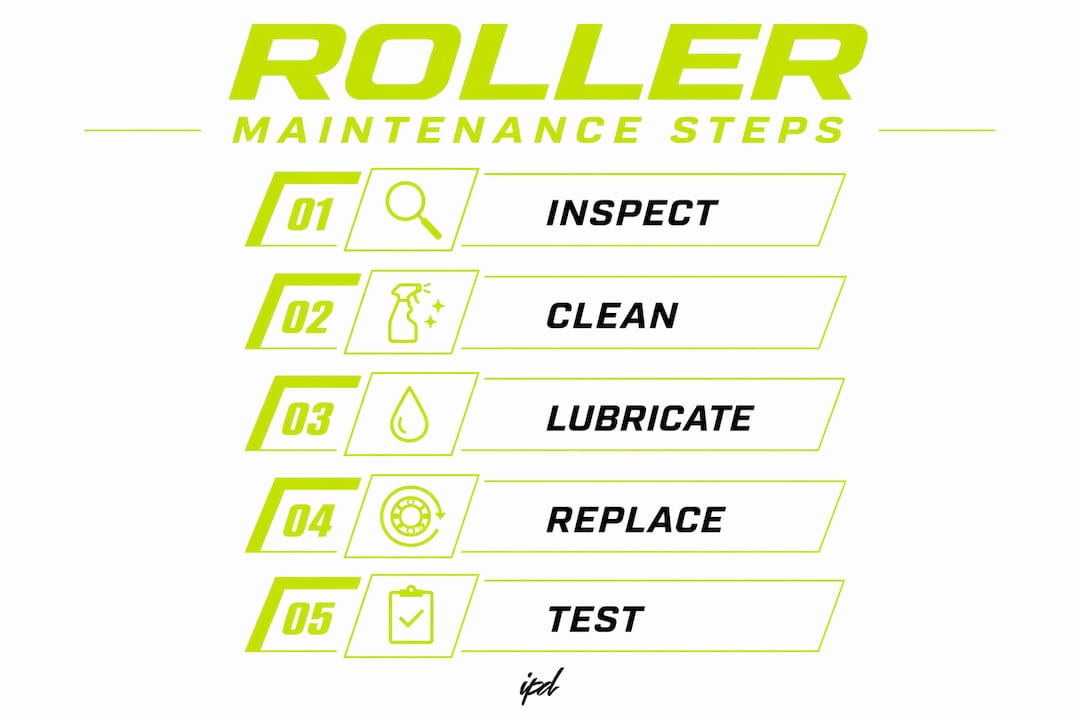
Neglected rollers become fixed damage points. Roller pins and bushings require regular corrosion inspection to confirm rollers spin freely. A seized roller no longer rolls; it drags across the hull and causes scratches on every launch.
- Rinse rollers thoroughly with fresh water after every saltwater use
- Apply marine-grade grease to roller pins and axles to prevent seizure
- Inspect for flat spots on rollers left loaded for extended periods; rotate or add rollers to share the load
- Check for deep splits, cracks, or thin spots and replace damaged rollers promptly
- Prime and paint exposed edges on pre-galvanized steel hardware to slow rust at cut edges where zinc coating is absent
For a broader maintenance checklist, the IPD Racing maintenance guide covers trailer accessories alongside engine and hull care.
How to set up rollers and bunks for the best hull support
Rollers alone are not the optimal setup. Combining bunks and rollers gives you continuous hull support from the bunks and precise alignment from the rollers, preventing the concentrated stress that a roller-only system places on specific hull points.
- Position rollers directly under the PWC’s internal stringers, the reinforced load-bearing beams running along the hull bottom
- Space rollers to align with the strongest structural lines, not evenly across the frame
- Use bunks for primary weight distribution and rollers for lateral guidance
- Match roller height and angle to the hull’s keel profile, particularly on V-bottom hulls
- Avoid spacing rollers too far apart; wide gaps allow the hull to flex and deform over time
A common installation mistake is mounting rollers at equal intervals without checking stringer location first. That single error causes gradual hull deformation that is expensive to repair. For complete ramp setup guidance, the jet ski launch ramp guide at IPD Racing covers trailer positioning and solo launching in detail.
How IPD Racing supports PWC trailer performance
IPD Racing stocks trailer accessories and handling parts built for riders who trailer hard and often. The product range includes components suited to both recreational and competition use, with technical guidance that reflects real-world ramp conditions rather than generic specs.
- IPD Racing carries PWC handling and transport parts from brands focused on performance-grade trailer hardware
- The Caliber Marine transport products line available at IPD Racing addresses hull protection and trailer security for frequent trailering
- IPD Racing’s community involvement through sponsorships and event support means product recommendations come from riders who use the equipment at the ramp and on the water
Troubleshooting common guide roller problems
Three issues account for most roller failures: misalignment, damage, and slippage. Misalignment shows up as difficulty centering the PWC during winching; check that rollers are evenly spaced and parallel, and remove any debris caught between the roller and bracket. Roller damage, including cracks, flat spots, and tears, requires immediate replacement because a compromised roller transfers load unevenly and risks hull contact. Slippage usually traces back to loose mounting hardware or worn rollers that no longer grip the bracket shaft. Tighten all fasteners and replace rollers that spin freely on the pin rather than rotating with it.
How water conditions change roller performance
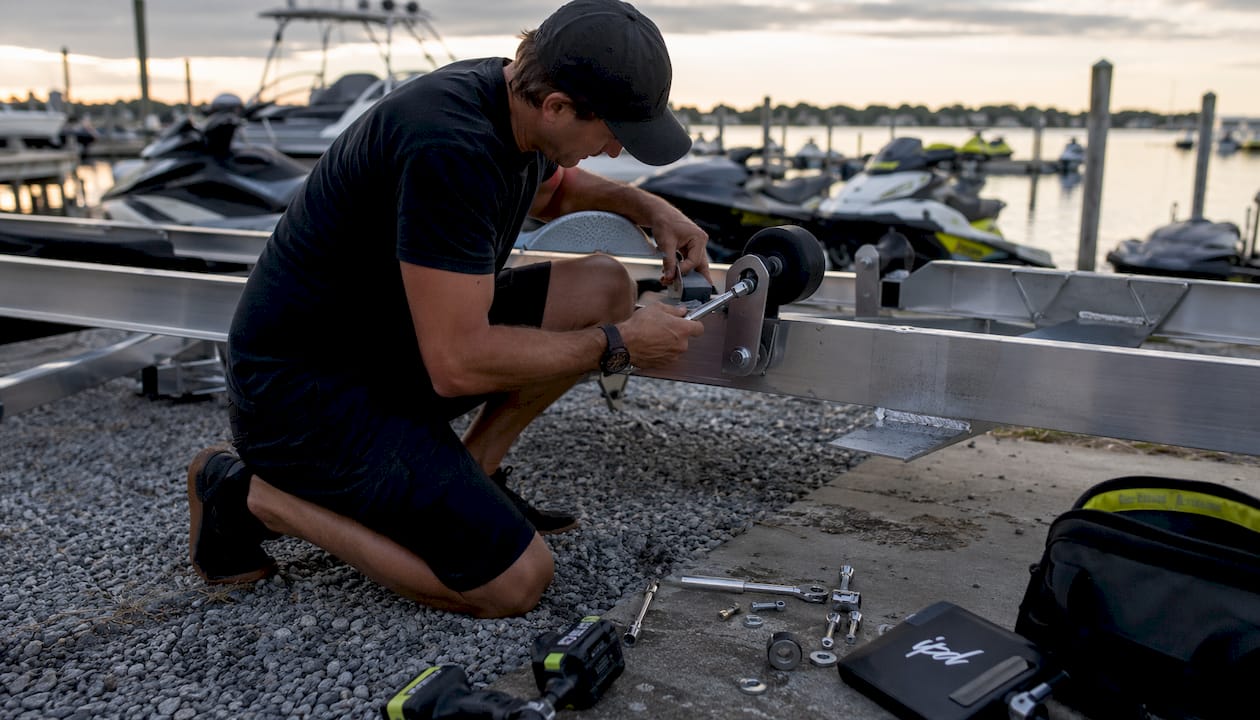
Saltwater accelerates corrosion on pins, bushings, and steel brackets far faster than freshwater use. Rollers used in tidal or brackish water need more frequent inspection and lubrication than those used on freshwater lakes. Sandy ramp conditions introduce abrasive particles that wear roller surfaces and bushings from the inside out; rinsing after every use removes most of this material before it causes damage. Cold water in winter use can stiffen rubber and TPR rollers temporarily, reducing their self-aligning flexibility. Polyurethane rollers maintain consistent performance across a wider temperature range, which is one reason they are the preferred choice for year-round trailering.
Upgrading rollers for different PWC models
Heavier three-seat PWC models, such as touring and performance variants from Sea-Doo, Yamaha, and Kawasaki, place more load on each roller contact point than a lighter freestyle or entry-level hull. Upgrading to a 2×4 roller group configuration distributes that weight across more points and reduces the risk of hull deformation. Lighter freestyle PWC used in competition benefit from EVA or soft polyurethane rollers that protect the hull during the frequent loading cycles common at events. When switching models, always recalculate stringer position and adjust roller placement before the first launch. A powered trailer dolly can help maneuver heavier setups in tight launch areas without straining the trailer frame.
Safety tips for using guide rollers correctly
Never launch with a roller that is visibly cracked or seized. A locked roller drags across the hull under load and can gouge the gelcoat in a single retrieval. Confirm all mounting hardware is torqued before each trip; vibration from road travel loosens brackets over time. Keep the winch strap taut during loading so the PWC contacts rollers progressively rather than dropping onto them. At the ramp, guide the PWC slowly onto the trailer rather than powering it hard onto the rollers, which concentrates impact force on the first contact points.
IPD Racing has the trailer accessories you need
IPD Racing is the direct source for performance-grade PWC trailer accessories, from hull-safe roller hardware to full transport protection kits. Whether you’re running a recreational ski on weekend lake trips or trailering a race-ready hull to competition events, IPD Racing carries parts selected for durability and real-world performance. The Hot Products performance parts catalog includes trailer-compatible upgrades alongside engine and exhaust components. Browse by model or category at IPD Racing to find the right trailer accessories for your specific hull and trailering conditions.
Key Takeaways
Properly selected and maintained PWC trailer guide rollers protect the hull, enable solo launching, and extend trailer life across all water conditions.
| Point | Details |
|---|---|
| Rollers reduce friction | Low-friction roller surfaces let the hull glide on and off the trailer without gelcoat damage. |
| Material selection matters | UV-stabilized polyurethane outlasts rubber rollers, which perish relatively quickly under sun exposure. |
| Combine bunks and rollers | Bunks carry primary weight; rollers handle alignment to prevent concentrated hull stress. |
| Maintenance prevents seizure | Marine-grade grease on pins and regular saltwater rinses keep rollers spinning freely and protect the hull. |
| IPD Racing for trailer parts | IPD Racing stocks performance-grade PWC trailer accessories for recreational and competition use. |

