
PWC Quick Release System: What Riders Need to Know
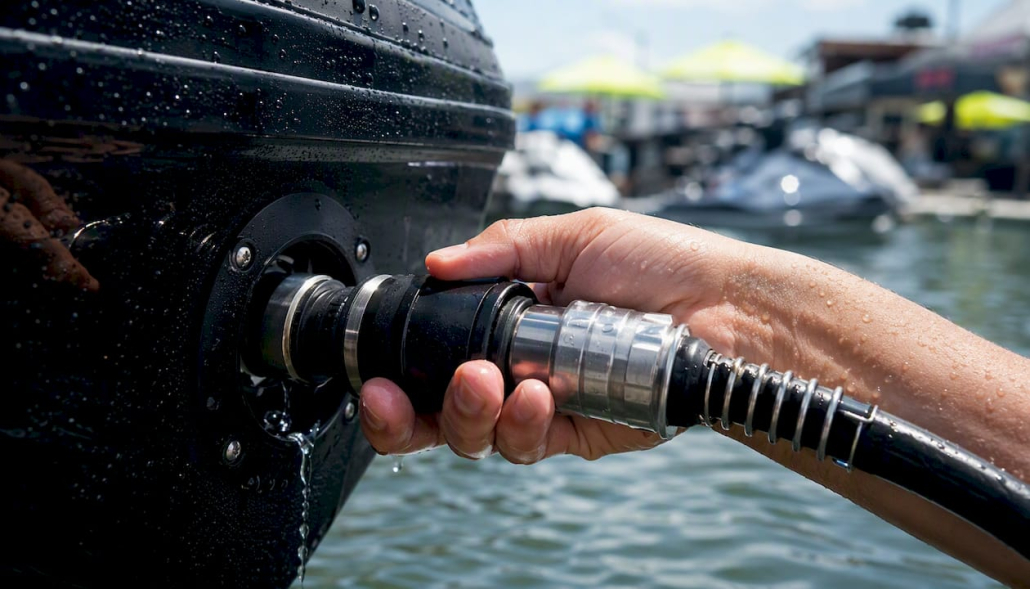
A PWC quick release system is a category of convenience hardware that lets riders connect, disconnect, or secure components without tools. The three most common forms are universal engine-flush hose adapters (push-to-connect or threaded couplers that attach a garden hose to the flush port), quick-release buckles on PWC covers for rapid single-person removal, and accessory or tow attachment hardware that pins or clips on and off at the dock. None of these are integrated hull performance systems. Features like Sea-Doo iBR braking or off-throttle steering are separate control technologies built into the craft. Quick-release hardware is bolt-on convenience gear.
- Flush adapters: Male/female couplers that connect a standard garden hose to the engine flush port; compatible with Sea-Doo, Yamaha, Kawasaki, and Polaris.
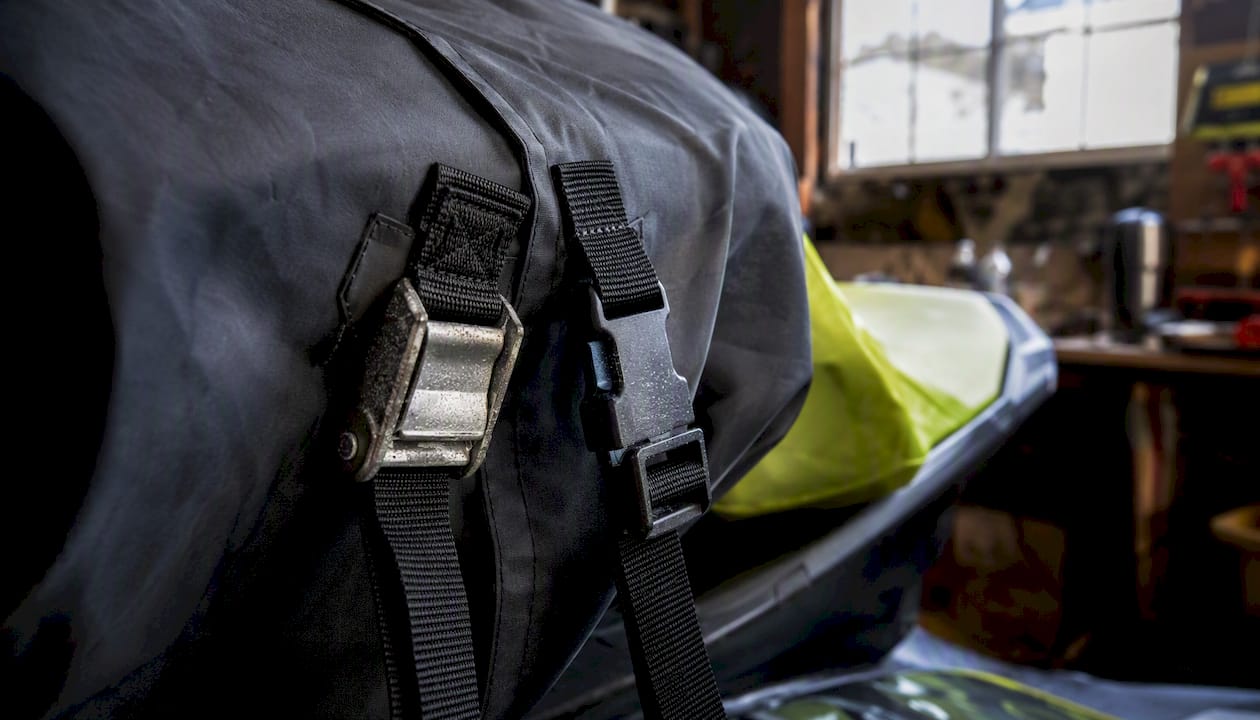
- Cover buckles: Cam or side-release plastic buckles and metal snap pins that secure a cover without tying knots.
- Accessory/tow hardware: Pin-and-clip systems for tow plates, dock lines, and launch equipment.
Pro Tip: For coastal and saltwater use, prioritize hardware rated for marine environments. Viton O-rings and 316 stainless fittings outlast standard hardware significantly in salt spray.
Table of Contents
- What does a PWC quick release system actually do for you?
- How each type of quick-release mechanism works
- How to choose the right quick-release hardware for your PWC
- Diagnosing and fixing common quick-release failures
- Why racers rely on quick-release systems at the pit
- Race-grade quick-release parts at IPD Racing
- Key Takeaways
- A technician’s perspective on quick-release hardware
- Useful sources and further reading
What does a PWC quick release system actually do for you?
Quick-release hardware shows up in four main places on a PWC setup, each solving a different problem.
- Cover buckles and straps let one person pull a cover off or on in seconds. Reinforced stitching and quick-release buckles are now standard on purpose-built PWC covers, replacing tie-down knots that slow you down between heats.
- Tow and accessory attachments use pin-and-clip systems to mount or remove tow plates, safety lines, and dock hardware without tools. The NSW Personal Watercraft Handbook lists a quick-release floating tow rope among recommended safety items for every ride.
- Dock and launch pins speed up storm-season removal. High-end PWC launch systems use quick-release pins so the craft can be detached from the dock and stored before a storm without breaking out a toolbox.
For racers, the value is pit speed. Pre-staged flush lines and pre-fitted cover buckles cut changeover time between heats. For coastal recreational riders, the value is corrosion protection: a flush adapter that connects in five seconds means you actually use it after every ride instead of skipping the step because it takes too long.
How each type of quick-release mechanism works
Understanding the mechanics helps you pick the right hardware and spot failures before they become problems.
Flush-kit quick-disconnect adapters use a male coupler on the hose end and a female receiver at the craft’s flush port. An O-ring seated in the female coupler creates a watertight seal under the low pressure of a garden hose. Push-to-connect variants lock with a spring-loaded sleeve; threaded variants use a few turns to seat. Both release by either pressing the sleeve collar or reversing the thread. Universal kits are designed to fit the flush ports on Sea-Doo, Yamaha, Kawasaki, and Polaris craft.
Cover quick-release hardware works on load distribution. Cam buckles grip a strap under tension and release when you flip the cam lever. Side-release plastic buckles use two spring-loaded tabs that compress inward to disengage. Metal snap pins drop into a grommet and hold under lateral load. UV exposure and repeated salt spray degrade plastic buckles faster than metal alternatives, so inspect them every season.
Accessory and tow quick-releases follow design patterns well-documented in engineering literature. UAV mechanical release devices use captured pins engaging latch arms and motor-driven actuators for reliable payload release — the same captured-pin and latch-arm logic applies to PWC tow hardware, where a pin drops into a receiver and a clip or cotter retains it until deliberately pulled. Tensile release mechanisms in patent literature show how designers set predictable break thresholds, which informs how tow-line quick-releases are rated for load.
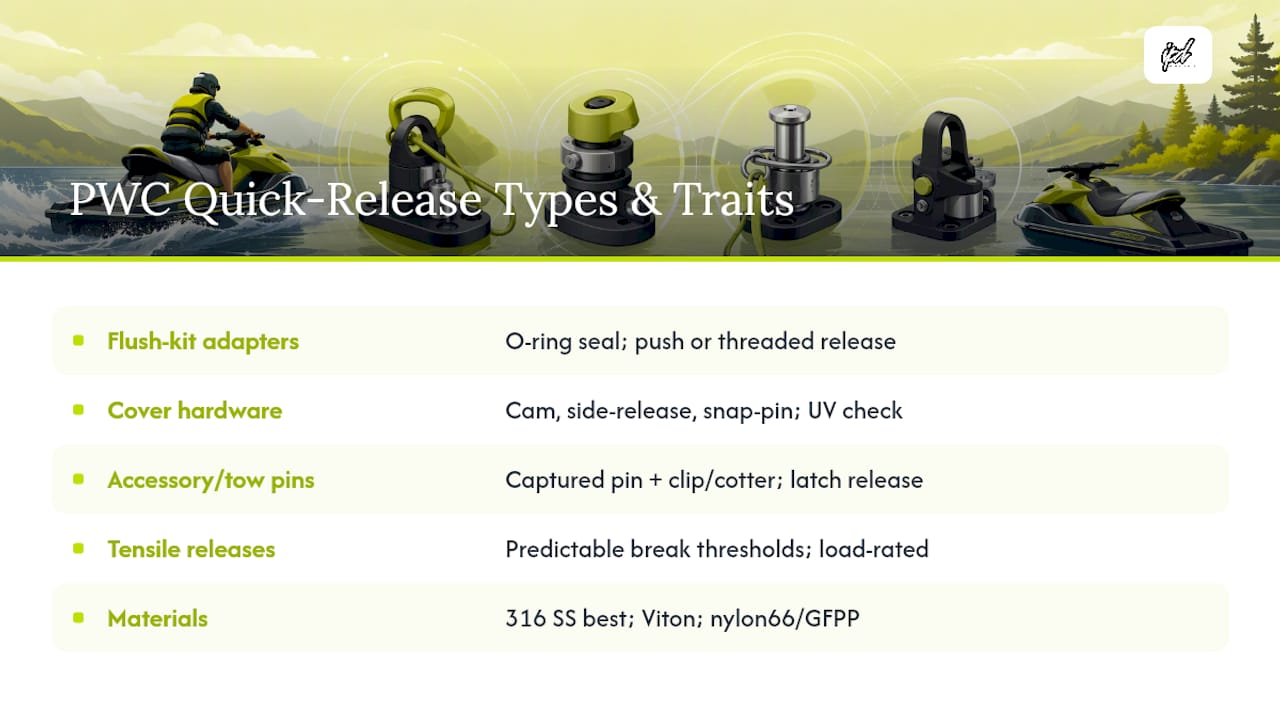
Materials matter most in saltwater. 316 stainless steel resists chloride corrosion better than 304 stainless or zinc-plated steel. Viton O-rings handle saltwater and fuel exposure better than standard Nitrile. UV-stable polymers (nylon 66 or glass-filled polypropylene) hold up under sun exposure where standard ABS cracks.
Pro Tip: Carry a small zip-lock bag with two spare O-rings sized for your flush adapter. A $0.50 O-ring failure is the most common reason a flush adapter leaks mid-session.
How to choose the right quick-release hardware for your PWC
| Category | Flush Adapter | Cover Buckle | Tow/Accessory Pin |
|---|---|---|---|
| Primary use | Engine flushing after saltwater rides | Cover removal/installation | Tow plate, dock line, accessory attachment |
| Connection method | Push-to-connect or threaded coupler | Cam lever or side-release tab | Pin-and-clip or captive pin |
| Seawater suitability | High (Viton O-ring, stainless body) | Moderate (UV-stable polymer or stainless) | High (316 stainless pin and clip) |
| Installation speed | typically a few seconds | generally fast per buckle | usually quick to connect and release |
| Key failure mode | O-ring wear, debris in seat | UV cracking, stitching wear | Pin corrosion, clip fatigue |
Before buying, run through this checklist:
- Fitment: Confirm your craft’s flush port diameter and thread type. Check your owner’s manual or the shop-by-model page at IPD Racing to verify compatibility before ordering.
Pro Tip: Buy a quick-connect kit that includes both male and female ends so you can standardize across multiple craft or replace either side independently.
Diagnosing and fixing common quick-release failures
Leaking flush adapter:
- Inspect the O-ring for cuts, flattening, or debris in the seat.
- Swap in a spare O-ring of the correct size and test under low pressure before a full flush cycle.
- If the coupler body is cracked or the locking sleeve no longer clicks, replace the adapter entirely.
Corroded fittings:
- Identify the corrosion type. White powdery deposits on stainless indicate surface oxidation; pitting or black staining suggests galvanic corrosion from contact with dissimilar metals.
- Surface oxidation on 316 stainless can be cleaned with a marine-grade stainless cleaner. Pitting means replacement.
- Apply a thin coat of anti-seize compound to threaded fittings before reinstallation to prevent galling.
- Never use plated-steel fittings adjacent to stainless hardware in saltwater — the galvanic potential accelerates corrosion on both parts.
Worn cover buckles:
- Inspect stitching at anchor points every season. Frayed stitching fails under load before the buckle itself does.
- Replace brittle or cracked plastic buckles immediately. UV degradation makes them snap without warning.
- Keep two spare buckles and a replacement strap in your maintenance kit.
Recommended spare-parts kit: two O-rings in the most common size for your flush adapter, one replacement quick-disconnect adapter, two stainless snap clips, and two spare cover buckles.
Pro Tip: Rinse all quick-release hardware with fresh water after every saltwater session, not just the engine. Salt left on buckle springs and coupler sleeves accelerates wear faster than the hardware itself.
Why racers rely on quick-release systems at the pit
Pit time is competitive time. A racer who can flush the engine, swap a cover, and re-stage gear in under three minutes between heats has a real advantage over one who spends that time wrestling with fittings and knots.
Pre-staged quick-release flush lines mean the hose is already connected to the adapter before the craft comes out of the water. The rider or technician snaps on the garden hose, runs the flush, and disconnects in one motion. Cover buckles that release with a single hand free up the other hand to hold the cover clear. For PWC watercraft tuning and pit procedures, quick-release hardware is part of the same discipline as pre-staged tools and organized toolboxes.
Pre- and post-heat checklist:
- Visual check of adapter O-ring and coupler seat before connecting.
- Confirm freshwater source is staged and hose pressure is adequate.
- Inspect cover buckle tabs and stitching for any damage from the previous heat.
- Verify tow and accessory pins are fully seated and clipped before launch.
- Store spare O-rings and a replacement adapter in the toolbox, not the trailer.
Pro Tip: If you run multiple craft on a team, standardize on one flush adapter type across all of them. Mixed adapter types mean mixed spare-parts inventory and compatibility checks under pressure during a heat.
Race-grade quick-release parts at IPD Racing
IPD Racing stocks performance and maintenance hardware for Sea-Doo, Yamaha, Kawasaki, Polaris, and other craft, including the flush adapters, cover hardware, and accessory fittings covered in this guide. When you browse the product pages, check the compatibility list for your specific model, confirm the O-ring material listed (Viton for saltwater use), and verify whether spare O-rings are included or sold separately.
For model-specific fitment, the shop-by-model tool filters parts by craft so you are not guessing at thread sizes or port diameters. If you are building out a full pit kit, the safety gear guide pairs well with the hardware choices here.
Key Takeaways
A PWC quick release system refers to convenience hardware, not an integrated performance feature. Choose seawater-rated materials, stage spare O-rings, and follow your owner’s manual installation steps to get reliable service from every component.
| Point | Details |
|---|---|
| Definition | Quick-release systems are convenience hardware: flush adapters, cover buckles, and accessory pins, not hull performance systems. |
| Material priority | Use 316 stainless and Viton O-rings for any saltwater application; standard Nitrile and plated fittings degrade faster. |
| Spare-parts kit | Keep two spare O-rings, a replacement flush adapter, and two stainless clips staged in your pit bag or toolbox. |
| Installation sequence | Attach the adapter before turning on water, start the engine per your manual, shut off water before the engine, then disconnect. |
| IPD Racing | IPD Racing carries compatible flush adapters, cover hardware, and accessories with model-specific fitment tools at ipdracing.com. |
A technician’s perspective on quick-release hardware
Most riders underestimate how much a $15 flush adapter affects long-term engine health. The hardware itself is simple. The discipline of using it after every saltwater ride is what separates craft that run clean for years from those that show corrosion damage inside the cooling passages within a single season.
The O-ring is the most overlooked part of the system. In saltwater service, Viton O-rings should be inspected every 20–30 hours of use and replaced at the first sign of flattening or surface cracking. That is a $1–2 part protecting a cooling system that costs hundreds to repair. The math is straightforward.
For racers, the bigger opportunity is standardization. Teams that run mixed adapter types across multiple craft spend more time troubleshooting compatibility than they do actually flushing. Pick one adapter, buy six of them, and put two in every pit bag. That single decision removes an entire category of pit-day problems.
Quick-release hardware is not glamorous. But it is one of the few categories where a small investment in the right parts and a consistent routine produces a measurable return in craft longevity and pit efficiency.
Useful sources and further reading
The following references were used to build this guide and are worth bookmarking for deeper reading:
- Brakes Vs. Off-Throttle Steering On PWC | Boating Mag
- Tensile release mechanism (US Patent) — EXA.ai
- US12312085B2 — UAV Mechanical Release Device (patent) — Google Patents
- Personal Watercraft Handbook — NSW government
- Designing an ergonomic PWC launch system for luxury waterfront estates — EZ Dock Texas
Always consult your craft’s owner’s manual before performing an engine flush or installing any load-rated retrieval hardware. Manufacturer specifications for flush duration, engine-start sequence, and port thread type vary by model and year.
This article provides general maintenance and product information. For safety-critical or man-rated hardware, consult a qualified marine technician and verify current standards with the relevant regulatory authority.

