
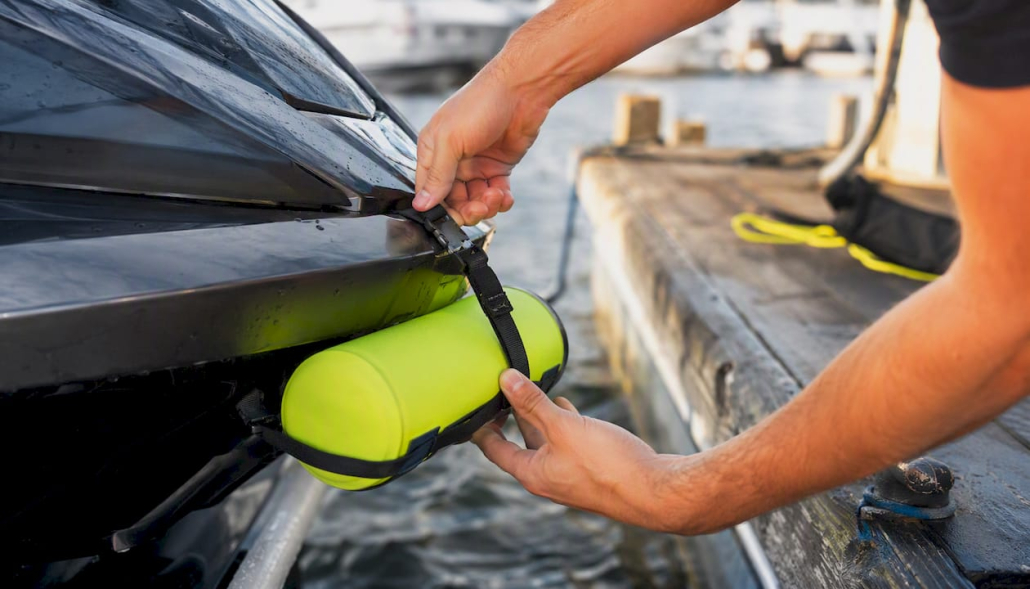
PWC Dock Bumper Explained: Choose, Install, and Maintain
A PWC dock bumper is a protective buffer that mounts to a dock or attaches to your personal watercraft’s rub rail to absorb low-speed impacts and prevent hull scratches during docking and storage. According to Lippert, dock bumpers are dock-mounted protective strips, while fenders are boat-mounted devices. Both serve the same goal: keeping your hull free of gel-coat damage and dock rash.
Here is the short decision guide:
- Temporary PWC fenders (hook, suction, or strap-mounted): use these for short stops, transient docking, and trailering days.
- Permanent dock bumpers (screwed or bolted to the dock face): use these for slip storage and any situation where the craft sits docked for hours or overnight.
- Fit tip: match bumper height to your rub rail at idle waterline, and choose closed-cell foam or vinyl-coated options for durability.
Key Takeaways
A PWC dock bumper protects your hull by absorbing low-speed dock contact, and choosing between a temporary fender and permanent dock edging depends entirely on how and where you store your craft.
| Point | Details |
|---|---|
| Match bumper to use case | Use temporary fenders for short stops; install permanent dock edging for slip storage. |
| Material drives durability | Closed-cell foam resists water absorption; vinyl-coated options handle concrete and metal docks. |
| Attachment method matters | Hook-and-strap or stainless screws outperform suction cups in surge or tidal conditions. |
| Install as a system | Pair fenders with dock lines, cleats, and continuous strip guards for full coverage. |
| Inspect monthly | Replace cracked foam, frayed straps, or rusted hardware before they fail at the dock. |
Table of Contents
- What a PWC dock bumper does and why every owner needs one
- Common PWC bumper and fender types and how each attaches
- Temporary fenders vs. permanent dock bumpers: which fits your situation?
- How to choose the right PWC bumper: a short buyer’s checklist
- How to install common bumper types step by step
- Care, inspection, and storage tips that extend bumper life
- What PWC bumpers can’t do and important safety reminders
- U.S.-available bumper examples and where to buy them
- Why bumper choice matters more than most owners realize
- Sources
What a PWC dock bumper does and why every owner needs one
A PWC dock bumper’s primary job is shock absorption. When a jet ski nudges a dock at low speed, the bumper compresses and distributes that force instead of transferring it directly to the hull. The result is no gel-coat scratches, no dings, and no “dock rash” on the hull sides.
The practical benefits go beyond cosmetics:
- Hull protection: prevents gel-coat cracks and fiberglass damage from repeated contact with wood, concrete, or metal dock faces.
- Resale value: a hull without dock rash commands a noticeably higher resale price.
- Dock protection: bumpers also shield dock boards from hull impact, reducing wear on both surfaces.
- Lower repair costs: gel-coat repair and fiberglass work are time-consuming and expensive; a bumper costs a fraction of one repair. Considering boat insurance coverage can also help manage the financial risk of hull damage.
Common use cases include marina slip storage (permanent dock bumpers), transient docking at fuel docks or launch ramps, and trailering days where a portable fender cushions the craft during tie-up. Better Boat’s PWC docking accessories guide recommends pairing fenders, dock lines, cleats, and protective bumper strips as an integrated system for the best protection.
Pro Tip: Attach a portable fender at the widest point of the hull, not at the bow or stern. That is where the most contact force concentrates during a side-on dock approach.
Common PWC bumper and fender types and how each attaches
Better Boat’s jet ski fender guide identifies four main categories of PWC fenders, plus dock-mounted edging as a fifth option. Each has a distinct attachment method and a specific use case.
- Classic cylindrical rope fender: a small marine fender tied through a ski eye or looped around a cleat. Simple, widely compatible, and inexpensive. Works on virtually any PWC with a standard ski eye.
- Hook-style fender: uses a molded acetyl hook that clips under the rub rail. No rope required. The Hull Hugr PWC Fender uses this approach, pairing two hinged foam squares with an acetyl hook and strap so the pads conform to hull curves.
- Suction-cup and strap-mounted fender: the Airhead SB-4 is the most recognized example. It uses a nylon-covered flexible foam body with suction cup attachments and optional straps for temporary mounting in calm water.
- Inflatable/foam with nylon cover: compact, packable, and easy to store under a seat. The nylon cover resists abrasion better than bare vinyl in high-traffic docks.
- Dock-mounted edging: Boat Outfitters explains that P-profile edging wraps the top edge of a dock, while D-profile mounts vertically on the dock face. Hybrid profiles combine both. Stainless screws or bolts with backing plates hold these in place permanently.
Temporary fenders vs. permanent dock bumpers: which fits your situation?
The right choice depends on how often you dock, how long the craft sits, and what conditions your marina sees.
Temporary PWC fenders are the better choice when:
- You dock for short periods (fuel stops, lunch breaks, launch ramp tie-ups).
- You trailer frequently and need a fender you can stow quickly.
- Your marina does not allow permanent modifications to dock faces.
- You ride in calm, protected water with minimal surge.
Permanent dock bumpers make more sense when:
- The craft lives in a slip for days or weeks at a time.
- Your marina has tidal movement or boat traffic that creates regular surge.
- You want protection without repositioning fenders every time you dock.
- The dock face is concrete or metal, which is harder on hulls than wood.
One practical note from Lippert: PWC owners gain real protection by keeping these two categories separate in their thinking. A fender that slips or fails under surge because it was used as a permanent solution is a common and avoidable problem.
How to choose the right PWC bumper: a short buyer’s checklist
Selecting the right bumper comes down to five factors.
- Rub rail height: measure from the waterline to the top of the rub rail at rest. The bumper’s contact face must cover that zone. A bumper that sits too high or too low misses the hull entirely.
- Material: closed-cell foam resists water absorption and holds its shape over years of use. Vinyl-coated options add abrasion resistance for concrete and metal docks. Nylon-covered portable fenders handle repeated handling without tearing.
- Attachment reliability: hook-and-strap combos and stainless screws are the most reliable options for repeated use. Suction cups work in calm water for short periods but should not be the only attachment point in surge conditions.
- Dock surface: Swimmer Living’s bumper roundup notes that wood docks pair well with thicker foam bumpers, while concrete and metal docks call for tougher vinyl-coated options that resist abrasion from the harder surface.
- Surge and chop: for high-surge slips, stack D-profile edging vertically or combine bumpers with bungee dock lines for added compliance.
On price, portable PWC fenders typically run from under $20 for basic cylindrical rope fenders to $50–$80 for hinged-pad designs like the Hull Hugr. Dock-mounted edging varies by linear footage and profile. With proper care, quality closed-cell foam bumpers last several seasons before UV degradation or compression set requires replacement.
How to install common bumper types step by step
Temporary/portable fenders
- Measure and position: hold the fender against the hull at the widest point and confirm it covers the rub rail at waterline.
- Attach the hook or strap: clip the acetyl hook under the rub rail or thread the strap through the ski eye. Tug firmly to confirm it seats.
- Secure the line: tie a quick-release cleat hitch to the dock cleat. Leave enough slack that the fender can float with the hull but not swing free.
- Verify under load: push the hull gently toward the dock and confirm the fender stays in position and the hook or strap does not slip.
Permanent dock bumpers
- Pre-install checklist: locate framing behind the dock face boards using a stud finder or probe. Gather a drill, stainless screws or bolts, backing plates, and marine-grade sealant.
- Mark mount points: hold the bumper strip at the correct height and mark fastener locations at framing centers.
- Drill pilot holes: use a bit slightly smaller than the fastener diameter to avoid splitting dock boards.
- Apply sealant and fasten: run a bead of marine sealant around each pilot hole before driving stainless fasteners. Swimmer Living identifies unsealed fastener penetrations as a leading cause of rust staining and pull-through failure.
- Final check: push the bumper firmly by hand, verify no movement, and check clearance at both high and low water positions.
Estimated install time: portable fenders may take only a few minutes, while installing a permanent dock bumper strip on a standard slip face can take from a half hour to an hour with basic tools.
Care, inspection, and storage tips that extend bumper life
A simple maintenance routine keeps bumpers performing season after season.
- Rinse after saltwater use: flush vinyl, nylon, and all hardware with fresh water. Salt accelerates corrosion on hooks and fasteners.
- Dry before storage: moisture trapped inside a folded nylon fender promotes mildew and weakens seams.
- Monthly inspection: check straps, suction cups, hooks, and dock fasteners for UV cracking, fraying, or corrosion. A strap that looks intact can fail suddenly if the inner webbing is degraded.
- Stow portable fenders out of UV: direct sun degrades foam and nylon faster than use does. A storage bag or under-seat compartment extends life significantly.
- Replacement triggers: cracked foam that no longer springs back, lost buoyancy in inflatable types, frayed straps, or rusted hardware all signal replacement. Do not wait for a failure at the dock.
What PWC bumpers can’t do and important safety reminders
Bumpers handle low-speed contact well. They are not designed for everything.
- Do not leave fenders on at speed: most jet ski fenders are not designed to remain attached while underway, per Better Boat’s fender guide. At speed, suction cups release, hooks can lever off the rub rail, and a loose fender becomes a hazard.
- Limited surge protection: bumpers absorb small, repetitive contact. Heavy surge from boat wakes or tidal movement can overpower a single fender. Combine bumpers with bungee dock lines for surge-prone slips.
- Never rely on one contact point: a single bumper at the bow or stern leaves the hull’s widest section unprotected. Position fenders at the beam.
- Check hardware after weather events: high winds and heavy boat traffic stress fasteners. Inspect dock-mounted bumpers after any significant weather.
Pro Tip: Installing continuous foam or vinyl strip guards along the dock edge at waterline, as recommended in Better Boat’s docking accessories guide, removes the need to constantly reposition individual fenders when tidal levels change.
U.S.-available bumper examples and where to buy them
These four options represent the main design categories available to U.S. owners.
- Airhead SB-4: a flexible, nylon-covered fender with suction cup and strap attachments. Best for calm-water, short-term docking. Easy to stow and reposition.
- Hull Hugr PWC Fender: two hinged foam squares with a molded acetyl hook. The hinged design conforms to hull curves, making it a strong choice for repeated daily docking where fit consistency matters.
- Yamaha-style traditional bumper / classic cylindrical fender: rope-secured, compatible with any ski eye, and widely available. The simplest option and a reliable backup to carry on the craft.
- Dock-mounted P- or D-profile edging: for slip owners, this is the most complete solution. Buy from a marine hardware supplier with clear return policies, and specify stainless hardware at purchase.
For Yamaha PWC parts and compatible accessories, IPD Racing carries manufacturer-specific resources. Owners looking for a broader watercraft accessories overview will find complementary protection options including covers, lines, and dock hardware.
Why bumper choice matters more than most owners realize
The conventional wisdom is that any bumper is better than none. That is mostly true, but it misses the real decision: matching the bumper type to the actual docking pattern. A suction-cup fender on a concrete dock in a tidal marina is not just suboptimal. It is likely to fail the first time a boat wake rolls through, leaving the hull in direct contact with the dock face.
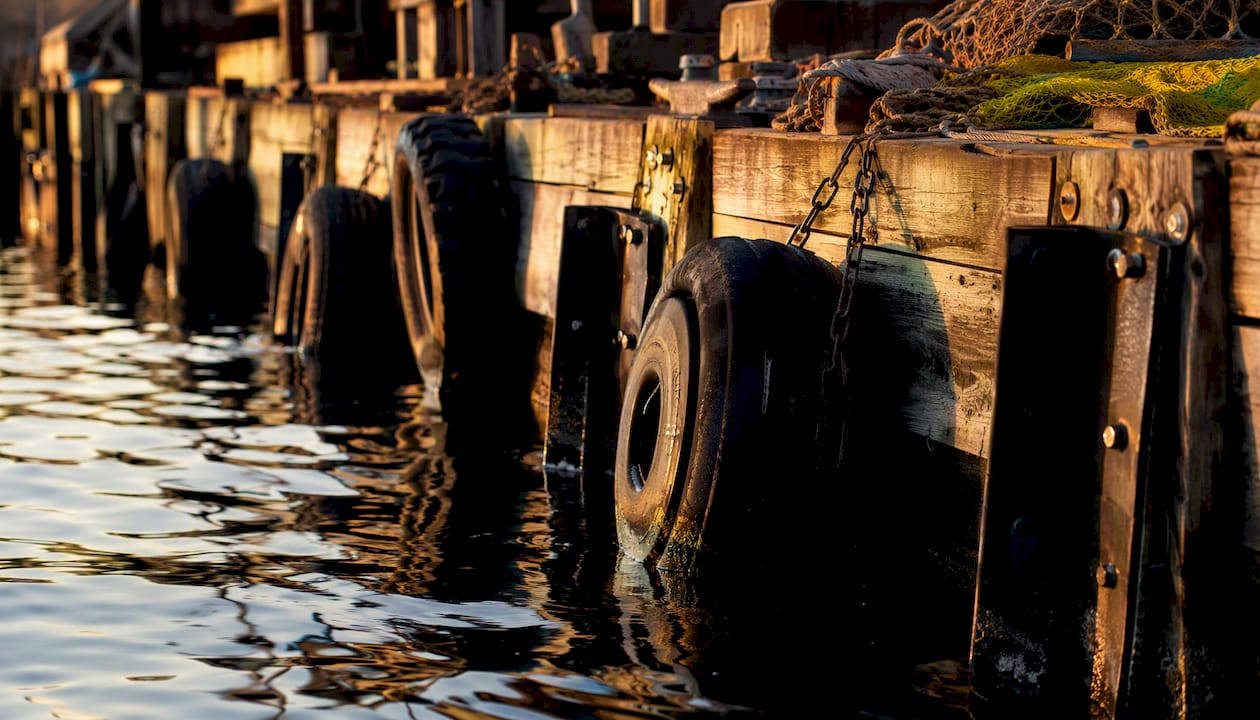
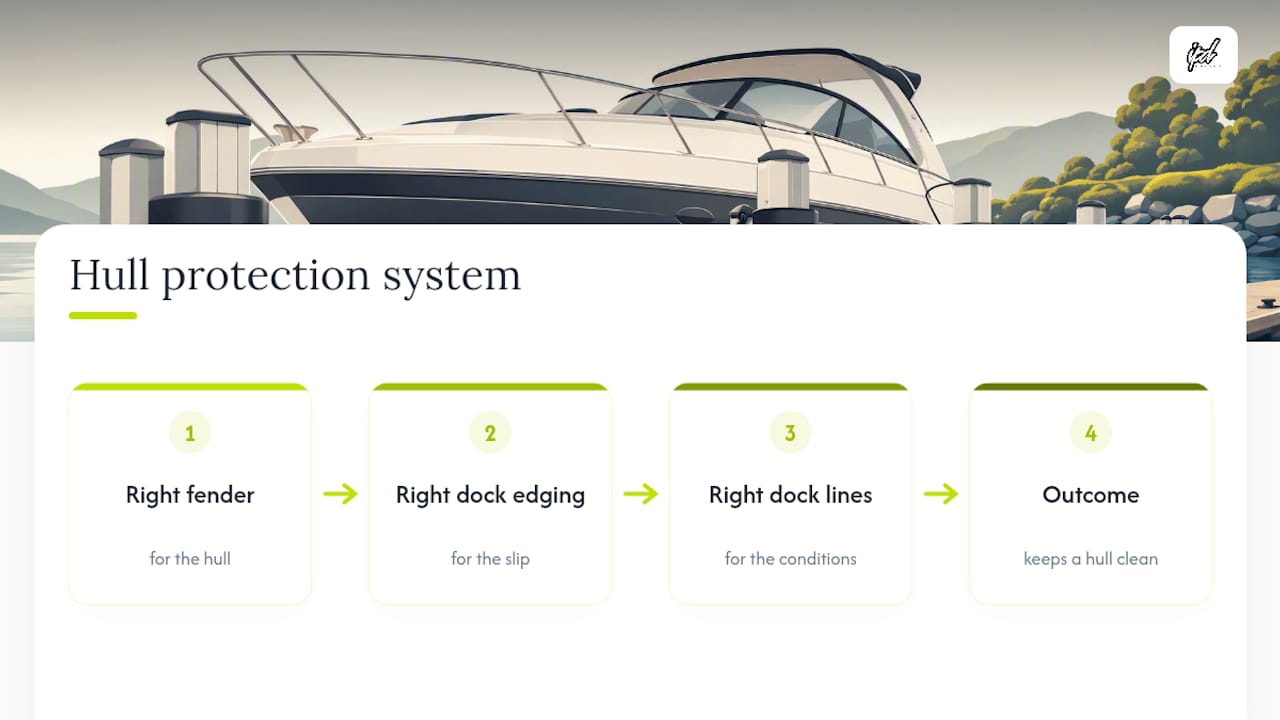
The owners who get the most out of their bumpers treat them as part of a system: the right fender for the hull, the right dock edging for the slip, and the right dock lines for the conditions. That combination, not any single product, is what keeps a hull clean season after season.
For riders who want to go further with hull protection and handling upgrades, the ProWatercraft handling parts at IPD Racing cover the performance side of the same equation.
Sources
The following sources informed the definitions, product descriptions, installation guidance, and material recommendations in this article.
- Fenders vs. Bumpers vs. Buoys — What’s the Difference? | Lippert
- Jet Ski Fenders: Cushion Your PWC From Scratches, Dings and Dents – Better Boat
- Dock Bumper Buyer’s Guide: How to Choose | Boat Outfitters
- 6 Best Dock Bumpers For Personal Watercraft For Marinas – Swimmer Living

