
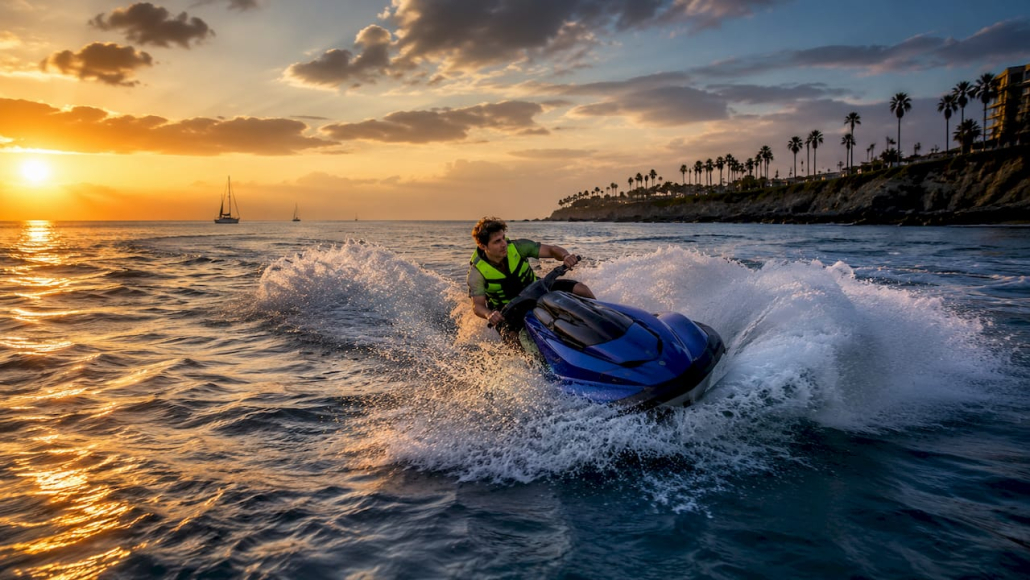
Jet Ski Surf Wake Riding Technique: Rider’s Guide
Jet ski surf wake riding technique is the practice of using body position, throttle control, and wake navigation to ride the wave generated by a personal watercraft (PWC). The industry term for this discipline is wake surfing, and riders who master it gain the ability to carve, pump, and hold a wave with confidence. This guide covers the gear you need, the foundational skills that build balance, the common mistakes that knock riders off, and the advanced methods that separate good riders from great ones. Whether you are new to jet ski wave riding or pushing toward freestyle moves, the techniques here apply directly.
What equipment and pre-ride prep do you need for surf wake riding?
The right setup makes surf wake riding safer and more consistent. A jet ski with responsive throttle sensitivity and tight handling gives you far more control over wake shape than an older, sluggier model. Modern PWC braking systems, including intelligent brake and reverse (iBR), stop up to 30% faster than older coasting methods. That stopping power matters when a rider falls and the ski needs to come back quickly.
Safety gear is non-negotiable. Every rider needs a properly fitted personal flotation device (PFD), a helmet rated for water sports, and a kill switch lanyard attached to the wrist or vest. The kill switch cuts the engine if the rider separates from the ski. Check all three items before every session.
Beyond safety gear, these accessories directly improve your wake surfing experience:
- Surf fins: Dual wing surf fin systems generate lateral displacement, which shapes a cleaner, more rideable wave behind the ski. Learn more about their role at IPD Racing’s surf fin guide.
- Tow rope: A standard surf rope (shorter than a wakeboard rope) keeps the rider in the sweet spot of the wake during the learning phase.
- Wetsuit or rash guard: Protects against water impact and sun exposure during long sessions.
- Waterproof communication device: Allows the rider and ski operator to coordinate speed adjustments without shouting.
| Equipment | Purpose |
|---|---|
| Surf fins | Shape wake for cleaner wave formation |
| Kill switch lanyard | Cuts engine on rider separation |
| PFD (life jacket) | Keeps rider afloat after falls |
| Surf tow rope | Positions rider in wake sweet spot |
| Helmet | Protects against impact with ski or water |
Run a full pre-ride check every time. Confirm the kill switch clips correctly, test throttle response at idle, and inspect the hull for damage. A five-minute check prevents most mechanical surprises on the water.
What body positioning and throttle control enable stable surf wake riding?
Body mechanics are the foundation of every surf wake riding technique. Bent knees and relaxed shoulders act as natural shock absorbers when the ski hits chop or crosses its own wake. Stiff legs transfer every bump directly to your spine and throw off your balance. Think of your legs as suspension, not support columns.

Foot placement matters as much as knee angle. Stand with feet shoulder-width apart, centered over the ski. Shifting weight forward accelerates your position in the wake. Shifting back slows it. This weight shift is your primary steering tool when you are riding the wave without the tow rope.
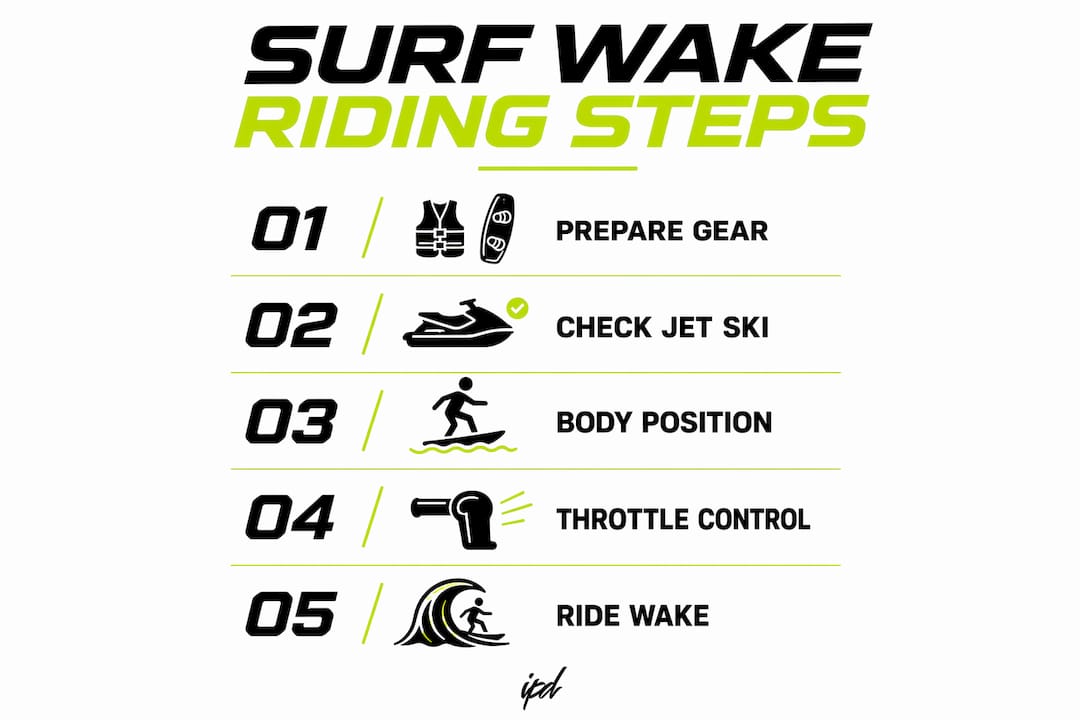
Throttle control is the skill most new riders underestimate. Jet skis only steer when throttle is applied. Releasing the throttle completely removes the water jet propulsion that pushes water through the steering nozzle, and the ski stops responding to handlebar input. This is the single biggest surprise for riders who come from car or motorcycle backgrounds. Keep a slight, steady throttle through every turn.
Here are the core body positioning rules to practice before your first wake session:
- Knees bent at roughly 30 degrees: Absorbs wake impact and keeps your center of gravity low.
- Shoulders loose and level: Tight shoulders cause overcorrection and early fatigue.
- Arms slightly bent: A firm but relaxed grip with bent arms reduces exhaustion on choppy water and improves handlebar feel.
- Eyes forward: Look where you want to go, not at the water directly in front of the ski. Visual focus ahead directs smoother carving and better balance.
- Hips centered: Avoid leaning too far to either side until you are ready to initiate a turn.
Pro Tip: Practice the bent-knee stance on land before getting on the water. Hold the position for 60 seconds. If your quads burn, your stance is correct. Weak stance on the water means early falls.
Proper body posture lets the ski move beneath you rather than throwing you off. Bent knees and loosened shoulders allow the hull to track through wake without transferring that energy directly into your upper body. Riders who lock their joints fight the ski. Riders who stay loose work with it.
How do you approach and ride the jet ski wake effectively?
Wake approach angle determines whether you catch a clean wave or get swallowed by turbulence. Riding directly behind the ski puts you in the most turbulent part of the wake and increases collision risk. A 45-degree lateral offset from the ski’s path places you on the shoulder of the wake where the wave is cleanest and most rideable.
Speed is the other critical variable. The ideal wake surfing speed is 11–14 mph. At that range, the ski produces a wake with a defined curl and enough push to hold a rider. Below 11 mph, the wake flattens. Above 14 mph, it becomes steep and unpredictable for most recreational riders.
Follow this approach sequence for your first sessions:
- Start with the tow rope. Hold the rope at arm’s length and let the ski pull you up to speed before attempting to stand fully.
- Find the sweet spot. Move forward on the rope until you feel the wave pushing you. That is the pocket of the wake.
- Shift weight to test the wave. Small forward and backward weight shifts tell you how the wave responds to your movement.
- Drop the rope gradually. Once the wave is pushing you without the rope going taut, you are riding the wake. Release the rope slowly, not all at once.
- Communicate with the operator. Use a pre-agreed hand signal system. Thumbs up means more speed. Thumbs down means less. A flat hand means stop.
Pro Tip: Ask your ski operator to hold a steady speed for at least 30 seconds before you attempt any weight shifts. Inconsistent throttle from the operator is the most common reason riders lose the wave pocket.
Adapt your posture as the wake changes shape. Boat traffic, wind chop, and operator speed adjustments all alter the wave. Stay loose and react to what the wave gives you rather than forcing a fixed stance.
What common challenges do riders face and how do you fix them?
Most surf wake riding mistakes come from tension, not lack of skill. Locking arms, gripping the rope too tightly, and making abrupt throttle changes are the top three errors that cause falls. Each one is a tension response to feeling unstable, and each one makes instability worse.
“Beginners often expect jet skis to handle like cars but must learn to keep some throttle to steer effectively, shifting to a proactive riding mindset.” — Jet Ski Tips for First-Timers in Miami
When you fall, let go of the rope immediately. Fighting to hold on pulls you into the wake at speed. Stay calm in the water, signal to the operator, and wait for the ski to circle back. Practicing in protected waters like bays or calm inlets first gives you the timing and balance repetitions you need before tackling open water or ocean conditions.
Watch for these specific beginner errors:
- Over-leaning on turns: Leaning too far initiates a fall before the ski can respond. Lean with your hips, not your shoulders.
- Panicked throttle release: Letting go of the throttle completely removes steering. Maintain a steady minimum throttle even when startled.
- Staring at the water: Looking down at the wake directly in front of you breaks your balance line. Keep your gaze on the horizon.
- Rushing the rope drop: Dropping the tow rope before the wave is fully supporting your weight causes an immediate loss of momentum.
Adjust speed before adjusting technique. If you keep losing the wave pocket, the problem is usually operator speed, not your body position. Dial in the 11–14 mph range before changing anything else.
What advanced tips refine your surf wake riding skills?
Advanced wake surfing technique centers on weight manipulation and throttle pumping. Once you can hold the wave pocket without the rope, start practicing deliberate forward and backward weight shifts to accelerate and decelerate within the wave. Shifting forward pumps speed. Shifting back bleeds it. This is the same principle surfers use on ocean waves.
Sharp turns come from hip rotation, not handlebar force. Rotate your hips in the direction of the turn while keeping your shoulders level. The ski follows your hips faster than it follows your hands. Riders who learn this feel an immediate improvement in carving sharpness.
| Skill level | Focus area | Key technique |
|---|---|---|
| Beginner | Balance and rope work | Bent knees, steady throttle, tow rope |
| Intermediate | Wave pocket riding | Weight shifts, rope drop, operator communication |
| Advanced | Freestyle and tricks | Hip rotation, throttle pumping, surf fin tuning |
Surf fins play a direct role at the advanced level. Dual wing surf fin systems improve lateral displacement and produce a more defined wave shape. A better wave shape gives you more room to maneuver and a longer ride window. Riders pursuing freestyle body position work will find that fin tuning changes the feel of the wake significantly.
Continuous skill development requires structured repetition. Set a specific goal for each session, such as holding the pocket for 30 seconds without the rope, or completing three clean turns. Vague practice produces vague results. Specific targets build measurable progression.
Key Takeaways
Mastering jet ski surf wake riding technique requires correct body posture, steady throttle management, and a 45-degree lateral approach to the wake for safe and effective riding.
| Point | Details |
|---|---|
| Throttle is your steering | Never release throttle fully; jet skis lose steering without water jet propulsion. |
| Body posture drives balance | Bent knees and relaxed shoulders absorb wake impact and prevent falls. |
| Speed range matters | Hold 11–14 mph for a clean, rideable wake with a defined curl. |
| Approach angle is critical | Ride at a 45-degree offset from the ski’s path, not directly behind it. |
| Surf fins improve wave quality | Dual wing fin systems shape a cleaner wake for better control and longer rides. |
What I’ve learned from watching riders fight the wake
Most riders who struggle with wake surfing are fighting the right instinct at the wrong time. They tense up exactly when they should relax. I have watched riders with strong athletic backgrounds take longer to progress than complete beginners because their muscle memory keeps telling them to brace for impact instead of absorbing it.
The counterintuitive truth is that the more you resist the wake, the harder it throws you. Riders who commit to the bent-knee, loose-shoulder stance from the first session build the right reflexes fast. Riders who half-commit spend weeks unlearning bad habits.
The other thing that surprises new riders is how much the operator controls the experience. A skilled operator who holds steady speed and communicates clearly makes a beginner look competent. An inconsistent operator makes an experienced rider look sloppy. If your sessions are frustrating, check the operator’s throttle consistency before changing your technique.
Patience is the actual skill being developed in the first ten sessions. Balance, throttle feel, and wave reading all come with repetition. Set small goals, track your progress honestly, and trust that the mechanics work when you apply them correctly.
— Casey
Gear up with IPD Racing for better wake riding
Riders who want to progress faster need equipment that matches their ambition. IPD Racing supplies performance parts and accessories for PWC riders at every level, from first-time wake surfers to competitive freestyle athletes.
Browse the IPD Racing shop for surf fins, safety gear, and performance upgrades built specifically for personal watercraft. If you are looking for the right parts to improve throttle response and handling control, the top performance parts guide covers the leading options for 2026. IPD Racing also stocks beginner watercraft accessories that make early sessions safer and more productive. The right gear does not replace technique, but it removes the equipment variables that slow your progress.
FAQ
What is the ideal speed for jet ski wake surfing?
The ideal speed for wake surfing behind a jet ski is 11–14 mph. This range produces a clean wake with a defined curl that supports the rider without becoming dangerously steep.
Why does my jet ski not steer when I release the throttle?
Jet skis use water jet propulsion for steering. Releasing the throttle stops water flow through the steering nozzle, which removes all directional control. Always maintain a minimum throttle through turns.
Where should I position myself relative to the jet ski wake?
Ride at a 45-degree lateral offset from the ski’s direct path. Riding directly behind the ski increases collision risk and puts you in the most turbulent part of the wake.
Do surf fins make a real difference for wake riding?
Yes. Dual wing surf fin systems generate lateral displacement that shapes a cleaner, more defined wave. Better wave shape gives riders more control and a longer ride window for practicing advanced techniques.
Where should beginners practice surf wake riding first?
Protected waters like bays give beginners the calm, consistent conditions needed to develop timing and balance. Open water and ocean conditions introduce too many variables before core skills are established.

