
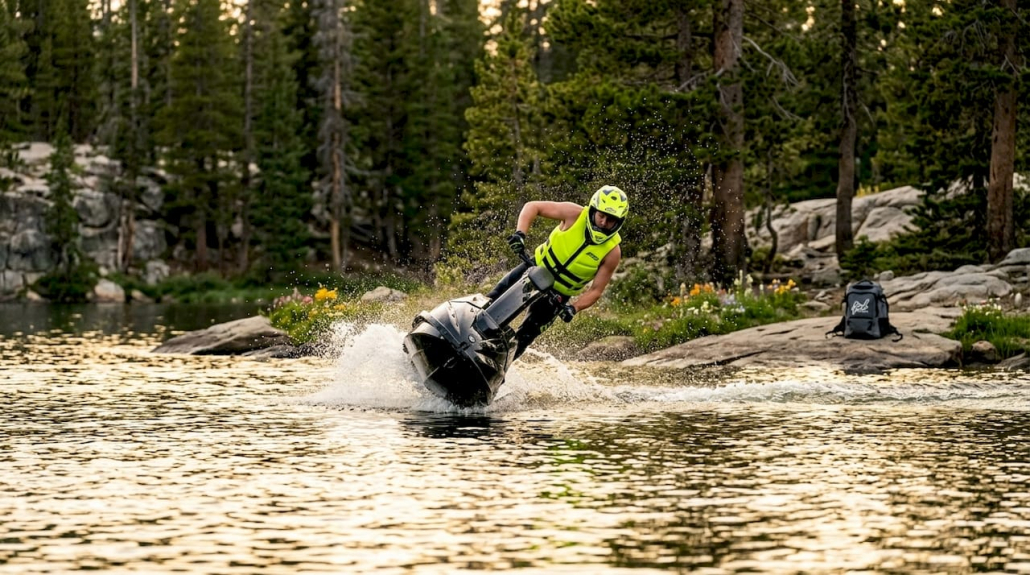
Jet Ski Freestyle Tricks Explained for Riders
Jet ski freestyle tricks are technical aerial and surface maneuvers performed on stand-up personal watercraft (PWCs) that combine balance, throttle control, and precise body positioning to execute spins, flips, and grabs. The discipline is formally called PWC freestyle, and riders competing at any level need to understand both the athletic demands and the equipment requirements before attempting advanced moves. This article covers jet ski freestyle tricks explained from the ground up, including a full skill progression, trick breakdowns, and equipment tips to help you ride with more confidence and control.
What are the essential body position and balance techniques for freestyle jet skiing?
Proper body position is the foundation of every freestyle maneuver. Balance on a stand-up PWC is a dynamic skill, not a static posture. It requires constant micro-adjustments based on water conditions, speed, and the trick being performed.
Foot placement and knee bend
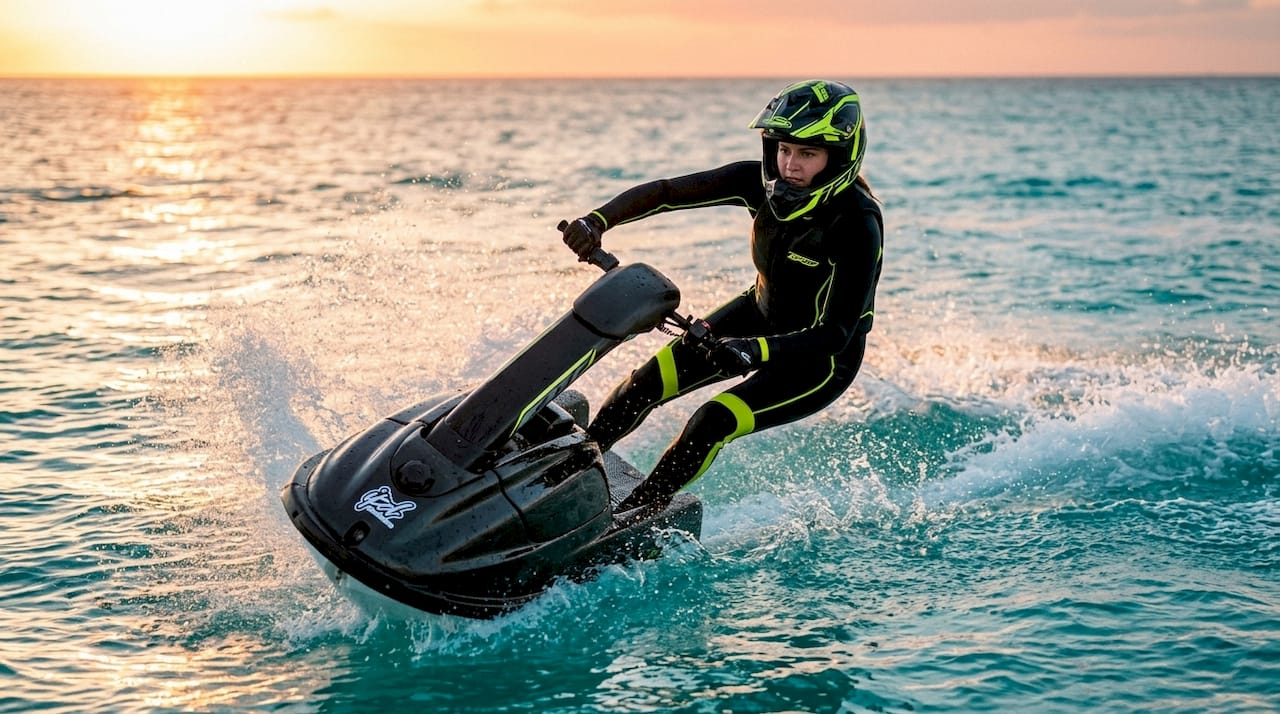
Keeping knees slightly bent and feet shoulder-width apart on the footrests is the single most effective way to absorb water chop and maintain control. Straight legs transfer every bump directly to your upper body, which kills your balance. A slight bend acts like a suspension system, letting the ski move independently beneath you.
Core engagement and weight shifting
Engaging your core muscles stabilizes your entire body during trick execution and complements the leg and footwork needed for control. Weight shifting is how you steer the ski through a maneuver. Shifting your hips forward loads the nose and increases control during approach. Shifting backward unloads the nose and helps initiate spins or jumps.
Leaning forward on wave crests
Leaning forward as you approach a wave crest keeps the ski steady as it passes through the trough on the other side. Riders who stay upright or lean back at the crest often get bucked off or lose directional control. This forward lean is especially critical when setting up for aerial tricks off natural chop.
For a deeper look at these mechanics, IPD Racing’s guide on freestyle body position covers stance adjustments for specific trick categories.
Pro Tip: Build core strength off the water with planks and single-leg balance exercises. Riders who train their stability on land progress through the freestyle skill progression significantly faster.
- Keep feet shoulder-width apart on the footrests at all times
- Maintain a slight knee bend to absorb chop and bumps
- Engage your core before initiating any spin or jump
- Shift weight forward on wave crests to maintain ski control
- Practice weight shifting at low speed before adding throttle
Which freestyle jet ski tricks should riders learn first and how to progress safely?
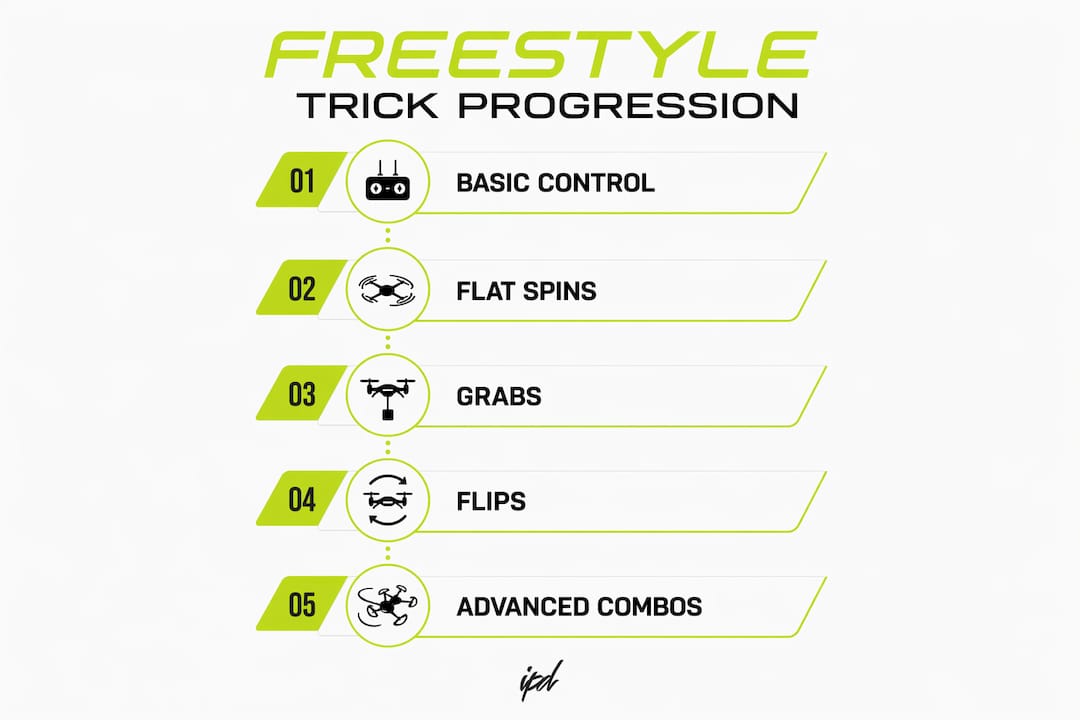
Jet ski freeride skill progression follows a clear path from basic control to advanced aerial tricks. Skipping steps is the most common reason riders get hurt or develop bad habits that limit their ceiling later.
Structured jet ski lessons improve confidence, reduce risk, and teach throttle control, turning, and emergency stops before any trick work begins. A beginner course that covers engine cutoff switch use and water hazard awareness is the correct starting point. That foundation makes every trick safer to attempt.
Jet ski trick progression workflow
- Master flat-water riding. Ride in a straight line, stop cleanly, and turn sharply before attempting anything else.
- Practice basic spins. A flat 180-degree spin at low speed teaches throttle and body coordination together.
- Add small jumps. Use natural chop or a small wake to get the ski airborne briefly. Focus on landing flat.
- Learn the barrel roll entry. This is a controlled side lean that transitions into a roll. Practice the lean without committing to the full rotation first.
- Attempt aerial grabs. Once airborne consistently, add a grab to the ski rail or nose to develop body awareness in the air.
- Progress to 360-degree spins. Full rotations require confident throttle management and clean body positioning.
- Work toward backflips and advanced combinations. These are high-skill moves that demand mastery of every earlier step.
Pro Tip: Film your sessions. Watching your own footage reveals body position errors that you cannot feel in the moment. Most riders are surprised by how different their actual form looks compared to what they think they are doing.
Safety is non-negotiable at every stage. Always wear a Coast Guard-approved personal flotation device, a helmet, and impact-rated body armor. Never attempt a new trick without a spotter on the water.
How does throttle control and handpole usage influence freestyle trick execution?
Throttle management is the most underrated skill in PWC freestyle. Smooth throttle control maintains stability and timing throughout a trick. Over-accelerating at the wrong moment disrupts balance and causes the ski to track unpredictably, which turns a clean trick attempt into a fall.
The handlepole, also called the handpole or pole, is the vertical bar that connects the handlebars to the ski’s hull. In freestyle riding, the handlepole design directly affects how much leverage you have during aerial maneuvers. A freestyle-specific handlepole is typically taller and angled differently than a stock unit, giving riders more room to shift their body weight and hold grabs. IPD Racing’s handpole installation guide walks through the setup process in detail.
Common throttle and handlepole mistakes include:
- Chopping the throttle mid-air, which causes the ski to drop nose-first on landing
- Gripping the handlepole too tightly, which locks your upper body and prevents weight shifting
- Using a stock handlepole for freestyle moves that require extended reach or specific angles
- Applying full throttle before the ski is properly aligned for the trick entry
- Releasing the handlepole too early during a grab, which removes control before landing
Nozzle modifications also play a role in throttle response. A tuned nozzle changes how quickly the ski reacts to throttle input, which matters when precise timing is required for aerial tricks.
What specific freestyle tricks are popular, and how are their movements executed?
Freestyle tricks fall into four main categories: spins, flips, grabs, and big airs. Each category demands a different skill set, and tricks are judged on technical quality similar to BMX or motocross freestyle. Understanding what separates each category helps riders target their training more effectively.
Backflips and 360-degree barrel rolls represent the advanced end of the spectrum. A 360 barrel roll backflip combines rotation on multiple axes simultaneously and requires high-level body positioning and throttle confidence. Most riders spend one to two full seasons building up to moves at this level.
| Trick | Category | Key movement | Skill level |
|---|---|---|---|
| 180 spin | Spin | Flat rotation, throttle blip at apex | Beginner |
| Barrel roll | Flip/spin | Side lean into full lateral rotation | Intermediate |
| Backflip | Flip | Rear weight shift, throttle hold through rotation | Advanced |
| Rail grab | Grab | One-handed hold on ski rail during air | Intermediate |
| 360 barrel roll backflip | Combination | Multi-axis rotation, full body commitment | Expert |
The Yamaha Superjet is the most widely used ski for freestyle because its lighter, smaller design enables better trick performance than heavier sit-down models. That weight advantage is directly felt during aerial tricks where the rider needs to redirect the ski mid-air.
Pro Tip: Learn the barrel roll entry on flat water before attempting it off a wake or ramp. The entry lean is the same motion regardless of the launch point, so drilling it on flat water builds the muscle memory without the added complexity of a jump.
Key takeaways
Jet ski freestyle tricks require a structured progression through body mechanics, throttle control, and equipment setup before any advanced aerial maneuver can be executed safely and consistently.
| Point | Details |
|---|---|
| Body position is foundational | Shoulder-width stance and bent knees absorb chop and stabilize every trick attempt. |
| Follow a clear skill progression | Progress from flat-water spins to aerials and flips in order; skipping steps causes injury and bad habits. |
| Throttle control determines trick quality | Smooth, timed throttle input keeps the ski on track; abrupt changes cause falls and failed rotations. |
| Handlepole setup affects trick range | A freestyle-specific handlepole gives more leverage and body movement options during aerial maneuvers. |
| Equipment choice matters | Lighter stand-up PWCs like the Yamaha Superjet perform better for freestyle than heavier sit-down models. |
Why patience is the real skill in freestyle riding
I have watched riders with strong athletic backgrounds step onto a stand-up ski and immediately try to rush past the basics. The pattern is almost always the same. They can ride, they can spin, and then they attempt a barrel roll before they have consistent throttle control. The result is a fall that shakes their confidence for weeks.
The riders who progress fastest are not the most athletic. They are the most patient. They drill the same entry move fifty times before adding the next element. They film themselves, watch the footage, and make one adjustment at a time. That process feels slow in the moment, but it compounds quickly.
Gear matters more than most beginners expect. A proper safety gear setup is not optional when you are learning tricks. Impact-rated vests and helmets let you push your limits without turning a minor fall into a serious injury. Riders who skip the gear tend to pull back on attempts after their first hard hit, which stalls their progression entirely.
The other thing I would tell any rider starting out: get on the water with people who are better than you. Watching someone execute a clean backflip in person teaches you more about timing and body position than any written description. The freestyle community is generally open and willing to share technique. Use that resource.
— Casey
IPD Racing performance parts for freestyle riders
Freestyle riding puts real demands on your equipment, and the right parts make a measurable difference in how your ski handles and responds.
IPD Racing carries performance parts and gear built for PWC freestyle, from throttle and control components to full performance upgrades suited to stand-up ski builds. Whether you are setting up a dedicated freestyle ski or upgrading an existing build, the IPD Racing shop covers the components that matter most for trick performance and durability. Riders looking to compete can also check the freestyle competition scoring guide to understand how tricks are evaluated at the event level.
FAQ
What is the best beginner trick for freestyle jet skiing?
A flat 180-degree spin is the best starting point. It teaches throttle coordination and body rotation without requiring airtime.
How does the handlepole affect freestyle tricks?
A freestyle-specific handlepole provides more leverage and range of motion during aerial maneuvers compared to a stock unit. Proper installation and angle setup are critical for trick control.
Why is the Yamaha Superjet preferred for freestyle?
The Yamaha Superjet is lighter and smaller than most stand-up PWC alternatives, which makes it easier to redirect mid-air and perform technical tricks with less physical effort.
How long does it take to learn a backflip on a jet ski?
Most riders need at least one full season of consistent practice to build the throttle control and body positioning required for a backflip. Structured lessons and filmed practice sessions speed up that timeline.
What safety gear is required for freestyle jet ski riding?
A Coast Guard-approved personal flotation device, a helmet rated for water impact, and impact-rated body armor are the minimum required gear for any freestyle trick practice session.

