
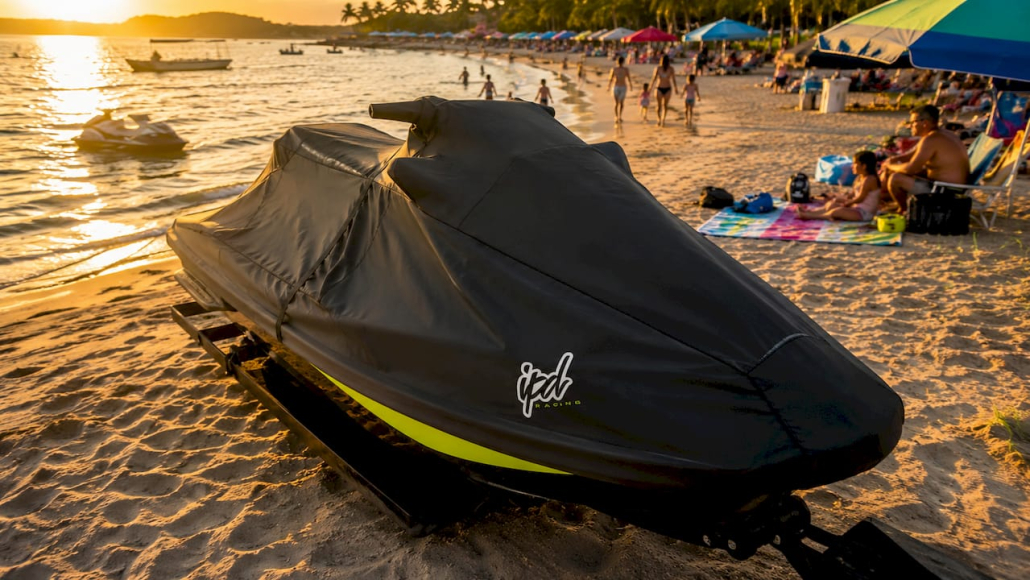
Benefits of Watercraft Covers: Protect Your PWC
A watercraft cover is defined as a fitted protective shell that shields your personal watercraft from environmental damage during storage, transport, and off-season periods. The benefits of watercraft covers extend far beyond simple aesthetics. Covers block UV oxidation, prevent moisture buildup, stop contamination from bird droppings and tree sap, and keep rodents out of your wiring and upholstery. A quality cover costing $300–$500 can save owners from repair bills ranging from hundreds to thousands of dollars over its lifespan. For any watercraft owner serious about protecting their investment, a cover is not optional equipment.
1. What are the benefits of watercraft covers against UV damage?
UV exposure is the single most destructive force acting on an unprotected watercraft. Prolonged sun exposure causes gelcoat oxidation, which turns a glossy finish chalky and dull. Vinyl upholstery fades, cracks, and stiffens under sustained UV radiation. These are not cosmetic problems. Oxidized gelcoat requires professional restoration, and cracked vinyl means full reupholstery.
Quality covers use solution-dyed polyester or acrylic canvas fabrics. These materials hold their color and UV-blocking properties far longer than standard woven fabrics. The watercraft accessories guide for beginners at IPD Racing explains how gelcoat oxidation and vinyl fading accelerate without consistent cover use.
Key UV protection features to look for:
- Solution-dyed fabric: Color is locked into the fiber, not printed on the surface, so UV resistance lasts the life of the cover.
- UV-stabilized thread: UV-resistant stitching degrades far more slowly than standard thread. Cheap covers fail at seams before the fabric wears out.
- Full coverage design: The cover must reach below the waterline of the hull to block reflected UV from water and pavement.
- Tight weave construction: Tighter weaves block more UV radiation without sacrificing breathability.
Pro Tip: Check the stitching on any cover before you buy. If the thread is not UV-stabilized, the seams will fail first, leaving your hull exposed even when the fabric still looks intact.
2. How do watercraft covers manage moisture and prevent mildew?
Moisture is the second major threat to stored watercraft. Water that pools on a cover adds weight, stretches the fabric, and eventually forces its way inside. Once moisture enters the interior, mold and mildew grow on upholstery, carpeting, and wiring insulation.
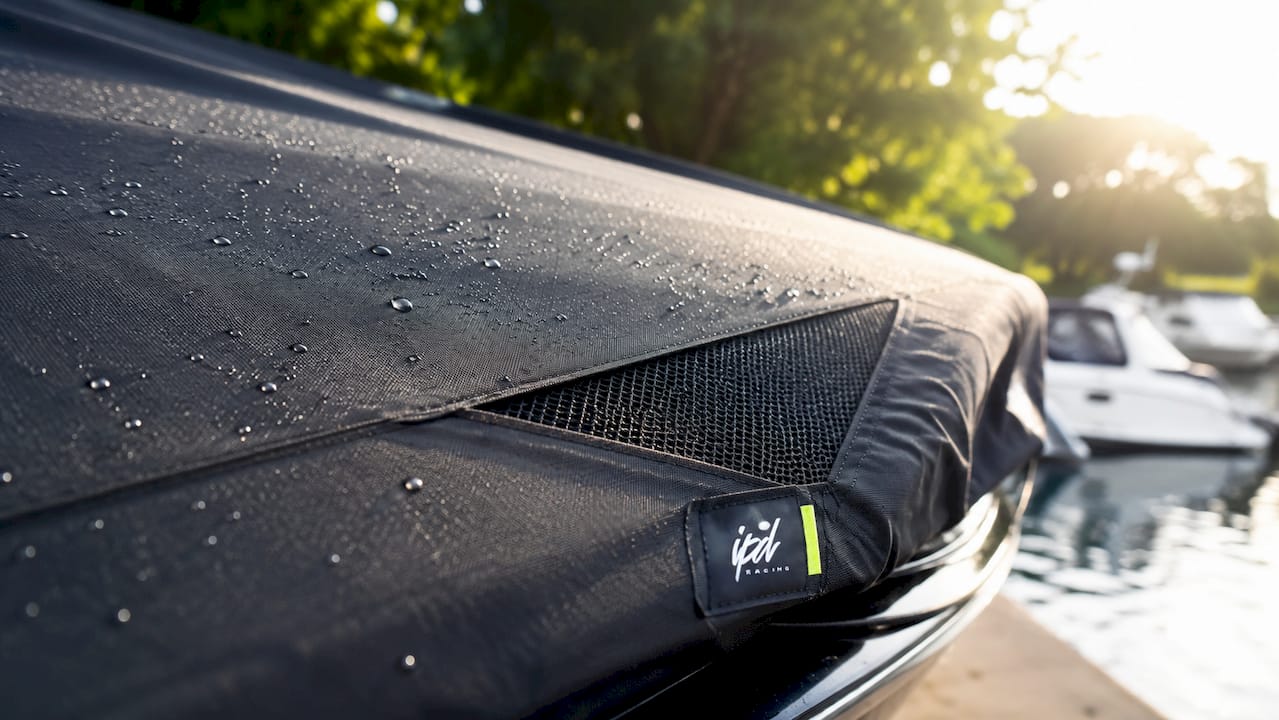
The critical distinction here is breathability. Non-breathable tarps trap moisture vapor inside the cover, causing mold and mildew growth even when the interior was completely dry before covering. A breathable cover allows moisture vapor to escape while keeping rain out. This balance is what separates a quality marine cover from a hardware store tarp.
Effective moisture management depends on three design elements:
- Breathable fabric construction: Solution-dyed polyester and acrylic canvas achieve the needed balance. Polyethylene tarps do not.
- Support poles and bow pockets: Water pooling on covers causes heavy strain and fabric stretching. Support poles create a peaked surface that sheds rain instead of collecting it.
- Ventilation panels: Mesh vents placed at low-pressure points allow air circulation without letting rain in. This prevents pressure buildup and keeps interior humidity low.
Pro Tip: Never cover a wet watercraft. Dry the interior thoroughly before fitting the cover. Even a breathable fabric cannot overcome a saturated interior environment.
The best watercraft covers are breathable, with ventilation features that prevent pressure buildup and balance rain protection with interior dryness. That combination is what keeps your PWC clean and dry through an entire off-season.
3. How do covers guard against contamination and pest damage?
Contamination damage is often underestimated because it builds gradually. Bird droppings are acidic and etch gelcoat surfaces on contact. Tree sap bonds to finishes and requires aggressive chemical removal that risks further damage. Pollen and airborne dust accumulate in crevices and accelerate surface wear.
A snug, well-fitted cover blocks all of these contaminants and reduces cleaning time significantly. The fit matters as much as the material. A loose cover that flaps in the wind still allows debris to work underneath the edges.
Pest intrusion is a separate but equally serious problem. Rodents and insects nest in unprotected watercraft upholstery and wiring, causing damage that is both expensive and difficult to detect until the watercraft fails to start. A fitted cover removes the open access points that attract nesting animals.
Key contamination and pest protection features:
- Snug perimeter fit: Eliminates gaps where debris and pests enter.
- Elastic hem cord plus tie-down straps: Keeps the cover sealed against wind-driven debris.
- Durable outer fabric: Resists puncture from branches and debris that would otherwise reach the hull.
- Sealed seams: Prevent insects from finding entry points along stitching lines.
The PWC cover material guide at IPD Racing details how advanced cover materials create a physical barrier against pests and environmental factors that damage upholstery and wiring.
4. What financial and maintenance benefits do watercraft covers offer?
A quality cover is the lowest-cost maintenance decision a watercraft owner can make. Investing $300–$500 in a custom or semi-custom cover costs under $75 per year spread over a seven-year lifespan. The repair costs it prevents are far larger.
“A watercraft cover is not an accessory. It is cheap insurance against the environmental degradation that silently destroys unprotected hulls, upholstery, and wiring every season they sit uncovered.”
| Repair Type | Typical Cost Range |
|---|---|
| Exterior detailing | $150–$400 |
| Upholstery replacement | $500–$3,000 |
| Gelcoat restoration | $300–$1,500 |
| Quality cover (7+ years) | $300–$500 total |
The math is straightforward. A single upholstery replacement costs more than three quality covers. Gelcoat restoration costs more than two. The seat cover replacement guide at IPD Racing shows how quickly upholstery costs accumulate when covers are skipped.
Resale value is the other financial factor most owners overlook. A watercraft with original, undamaged gelcoat and intact upholstery commands a meaningfully higher resale price than one showing oxidation and cracked vinyl. Buyers inspect finish condition closely. A cover preserves the condition that justifies your asking price.
Cleaning time drops sharply with consistent cover use. A covered watercraft needs a quick wipe-down before launch. An uncovered one needs full detailing, mold treatment, and debris removal. That time difference adds up across a full season.
5. How to choose the right watercraft cover for your needs
Cover selection depends on four variables: storage method, regional climate, fit type, and material quality. Getting any one of these wrong reduces protection significantly.
A custom-fit cover tailored to your storage method and regional climate provides superior protection compared to generic tarps or universal-fit covers. The table below outlines the main cover types and their best applications.
| Cover Type | Best Use Case | Key Limitation |
|---|---|---|
| Custom-fit | Long-term outdoor storage | Higher upfront cost |
| Semi-custom | Trailering and short-term storage | Less precise fit than custom |
| Shrink wrap | Winter storage, maximum protection | Single-use, not reusable |
| Universal/generic | Budget, temporary coverage | Poor fit, limited protection |
Regional climate drives material selection. Owners in high-UV climates need solution-dyed acrylic or polyester with maximum UV-stabilized thread. Owners in heavy-snow regions need support poles rated for snow load and reinforced seam construction. Coastal owners need salt-resistant fabric treatments.
Elastic hem cords alone are insufficient to keep covers secure in wind. A tie-down system with straps running underneath the hull prevents cover flapping and the abrasion damage that flapping causes. This is a non-negotiable feature for any owner who stores their watercraft outdoors.
Trailering adds another requirement. Covers used during transport need reinforced leading edges and additional tie-down points to resist highway wind loads. A cover designed only for stationary storage will fail quickly on a trailer at speed.
Pro Tip: When measuring for a custom cover, measure at the widest point of the hull and the highest point of the windshield or tower. Manufacturers use these dimensions to cut a cover that fits without gaps or excess fabric.
Key Takeaways
A quality watercraft cover is the single most cost-effective protection tool available to PWC owners, preventing UV oxidation, moisture damage, contamination, and pest intrusion for under $75 per year.
| Point | Details |
|---|---|
| UV protection is primary | Solution-dyed fabric and UV-stabilized stitching prevent gelcoat oxidation and vinyl cracking. |
| Breathability prevents mold | Breathable covers allow moisture vapor to escape; non-breathable tarps trap it and cause mildew. |
| Fit determines contamination defense | A snug, strapped cover blocks bird droppings, tree sap, debris, and pest entry. |
| Cover cost beats repair cost | A $300–$500 cover prevents upholstery and gelcoat repairs costing $500–$3,000 or more. |
| Climate drives cover selection | Match cover material and support features to your regional sun, snow, and wind conditions. |
Why I stopped treating covers as an afterthought
I spent years watching watercraft owners pour money into performance upgrades while leaving their machines uncovered between sessions. The damage accumulates quietly. You don’t notice the gelcoat dulling week by week. Then one spring you pull the machine out and the finish looks five years older than it should.
The mistake most owners make is treating a cover as storage equipment rather than maintenance equipment. A cover works every hour the watercraft sits still. That is far more time than it spends on the water. The Covercraft covers available at IPD Racing reflect this philosophy. They are built for the conditions watercraft actually face, not just for keeping dust off in a garage.
The other common mistake is buying on price alone. A cheap cover with standard thread and a polyethylene shell will fail at the seams within two seasons. You end up buying two covers for the price of one quality cover, and your watercraft takes damage in between. Buy once, buy right.
My practical advice: invest in a custom-fit cover with UV-stabilized thread, a breathable fabric, and a full tie-down system. Dry the interior before covering. Use support poles if you store outdoors. That combination handles every threat a stored watercraft faces.
— Casey
Quality covers and performance parts at IPD Racing
IPD Racing carries premium Covercraft watercraft covers built for Yamaha, Sea-Doo, and Kawasaki models, along with a full catalog of performance parts for riders at every level. Whether you are protecting a recreational machine or a race-ready PWC, the right cover is the foundation of a solid maintenance plan.
Protecting your watercraft between sessions is only part of the equation. IPD Racing also stocks race-proven PWC performance upgrades for owners who want to improve performance alongside protection. Browse the full selection at IPD Racing to find covers, parts, and accessories matched to your specific model and riding style.
FAQ
What are the main benefits of watercraft covers?
Watercraft covers prevent UV oxidation, moisture and mildew buildup, contamination from bird droppings and tree sap, and pest intrusion into wiring and upholstery. These four protections together preserve finish quality, structural integrity, and resale value.
Are breathable covers better than waterproof tarps?
Breathable covers are the correct choice for stored watercraft. Non-breathable tarps trap moisture vapor inside, causing mold and mildew growth even when the interior was dry before covering.
How long does a quality watercraft cover last?
A quality custom or semi-custom cover with UV-stabilized stitching and solution-dyed fabric lasts seven or more years with proper care, costing under $75 per year across its lifespan.
Do I need tie-down straps, or is an elastic hem enough?
Elastic hem cords alone are not sufficient in windy conditions. Tie-down straps that run underneath the hull are required to prevent cover flapping and the abrasion damage it causes to both the cover and the hull finish.
Does a watercraft cover affect resale value?
A covered watercraft retains its original gelcoat gloss and upholstery condition far longer than an uncovered one. Buyers inspect finish condition closely, and a well-preserved exterior directly supports a higher resale price.

