
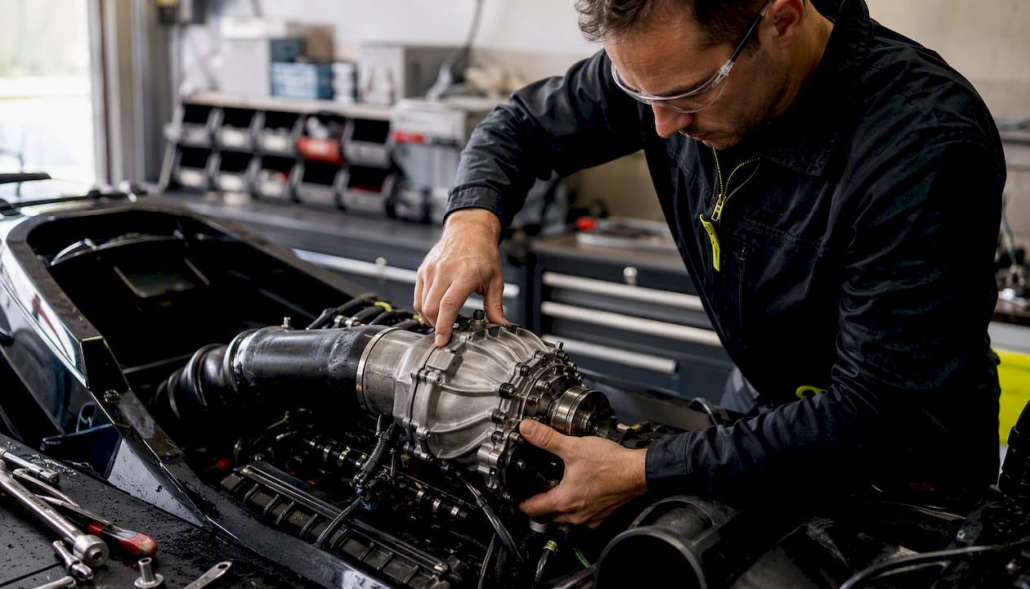
Yamaha Supercharger Kits: Buyer’s Guide for PWC Owners
A Yamaha supercharger is a mechanically driven forced-induction system that compresses intake air to increase engine output, and the recommended route for most buyers is a model-appropriate bolt-on kit or shaft upgrade paired with a professional ECU tune. Before you order anything, three questions determine whether this upgrade makes sense for you:
- PWC or outboard? Factory supercharged platforms like the SVHO 1.8L WaveRunner need shaft or internal component upgrades, not a full kit. Outboard owners (F300, F250, F225) look at bolt-on supercharger kits designed for those specific engines.
- Performance goal? Top-speed racing and competitive freestyle justify the cost and maintenance. Casual weekend riding usually does not.
- Maintenance tolerance? Boosted engines demand more frequent inspection, oiling checks, and belt service than naturally aspirated setups.
TL;DR: Confirm your model and year, gather your engine serial number, then contact IPD Racing for fitment help or compatible parts before purchasing any kit.
Table of Contents
- What types of Yamaha supercharger upgrades are available?
- Which Yamaha models are compatible with supercharger upgrades?
- What horsepower and torque gains can you realistically expect?
- How much does a Yamaha supercharger kit cost, and should you DIY?
- What reliability trade-offs and maintenance come with a supercharger?
- What supporting mods does a supercharger install actually require?
- How do you choose the right Yamaha supercharger upgrade for your goals?
- How IPD Racing supports Yamaha supercharger upgrades
- How do Yamaha supercharger upgrades compare to alternative performance enhancements?
- Does a Yamaha supercharger upgrade affect resale value?
- What are the long-term cost implications beyond the initial purchase?
- What warranty and manufacturer support should you expect?
- Key Takeaways
- When does a supercharger actually make sense?
- Get the right parts and fitment help from IPD Racing
- Where to read more about Yamaha supercharger systems
What types of Yamaha supercharger upgrades are available?
Not every supercharger product fits every Yamaha platform, and mixing up categories is one of the most common and expensive mistakes buyers make.
- Factory supercharged engines (SVHO/1.8L): Yamaha’s Super Vortex High Output 1.8L marine engine comes supercharged from the factory in high-performance WaveRunner models. Owners of these platforms typically upgrade the supercharger shaft, internal impeller, or billet rotating components rather than adding a new supercharger unit.
- Full bolt-on kits for outboards: Platforms like the Yamaha F300, F250, and F225 four-stroke outboards can accept purpose-built bolt-on supercharger kits. Nizpro Marine’s F300 Lightning kit is a widely referenced example in the offshore performance community, claiming significant horsepower gains over the factory rating.
- Shaft and shaft-reinforcement kits: RIVA Racing’s supercharger shaft upgrade kit is a direct-fit solution for Yamaha PWC platforms, replacing the OEM shaft with a stronger unit to reduce the risk of shaft failure under sustained high-boost operation.
- Aftermarket impellers and billet components: Internal rotor and impeller replacements address wear and efficiency losses in the supercharger housing without replacing the entire unit. These are common in race and freestyle builds where the factory internals have reached service limits.
Choose a full bolt-on kit when you are starting from a naturally aspirated outboard and want a substantial power increase. Choose a shaft or internal upgrade when your factory supercharged PWC needs reliability reinforcement or a modest efficiency gain.
Which Yamaha models are compatible with supercharger upgrades?
Fitment is platform-specific and year-specific. Getting this wrong means returning parts or, worse, installing hardware that does not fit correctly.
Yamaha platforms most commonly upgraded:
- SVHO 1.8L WaveRunner models (GP SVHO, FX SVHO, FZR/FZS series)
- FX-HO and SHO 1.8L WaveRunner models (shaft and internal upgrades)
- Yamaha F300 4.2L V6 outboard (2010–2021 model years per Nizpro Marine’s published fitment)
- Yamaha F250 and F225 four-stroke outboards (kit availability varies by vendor and year)
- Yamaha YXZ 1000R side-by-side (KraftWerks bolt-on centrifugal kit, 2016–2018)
Fitment checklist before you buy:
- Model name and full model year
- Engine serial number (stamped on the engine block or listed in your owner’s manual)
- Hull identification number (HIN) for PWC platforms
- OEM ECU version or software revision if known
- Current modification list (any prior tune, exhaust, or intake changes)
Pro Tip: Bring your engine serial number and model year when you contact a vendor. Two WaveRunners that look identical on the outside can have different ECU calibrations that change which shaft or tune is compatible.
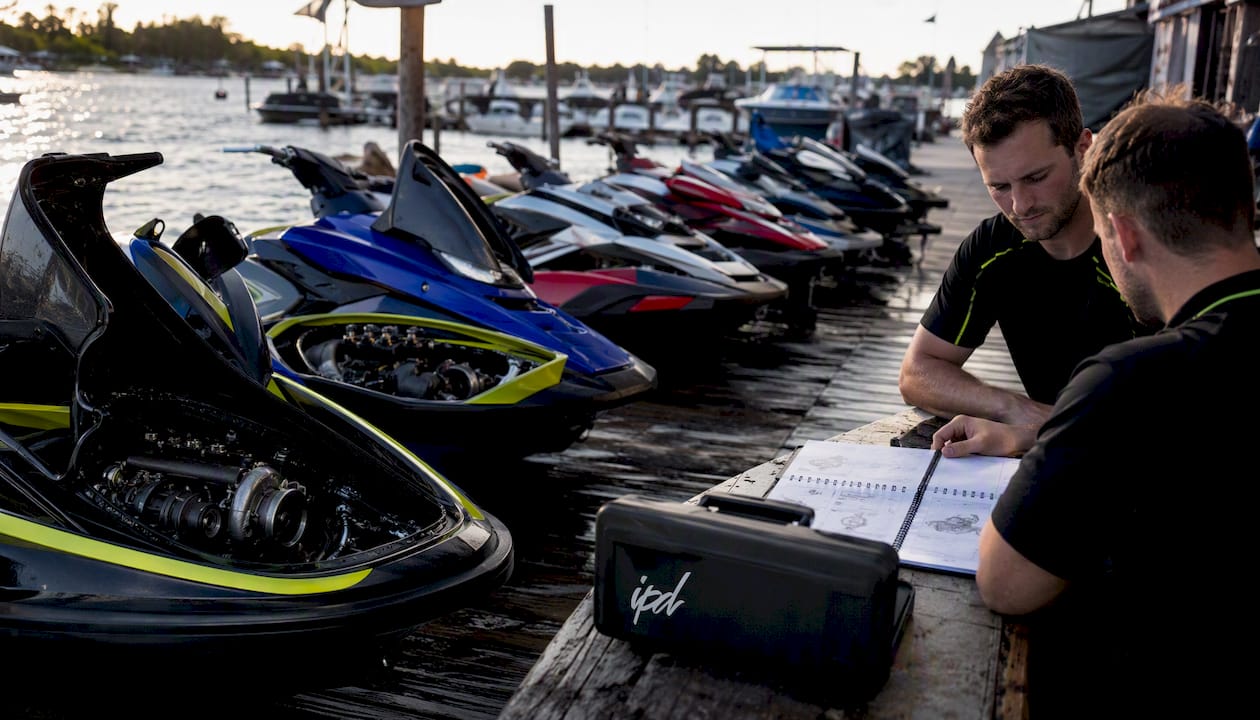
Yamaha’s 4-stroke SuperJet and VX/GP series platforms each have distinct fitment requirements. IPD Racing’s model-specific pages list compatible hardware and can confirm fitment before you commit to a purchase.
| Platform | Upgrade Type | Notes |
|---|---|---|
| SVHO 1.8L WaveRunner | Shaft upgrade, billet internals | Factory supercharged; shaft reinforcement is the primary upgrade |
| F300 4.2L V6 outboard | Full bolt-on supercharger kit | Nizpro Marine publishes 2010–2021 fitment |
| F250 / F225 outboard | Full bolt-on kit (vendor-dependent) | Confirm year and ECU version before ordering |
| YXZ 1000R (2016–2018) | Centrifugal bolt-on kit | KraftWerks kit; includes intercooler and oil cooler |
What horsepower and torque gains can you realistically expect?
Published claims and real-world results are not the same number, and understanding why protects your budget and your engine.
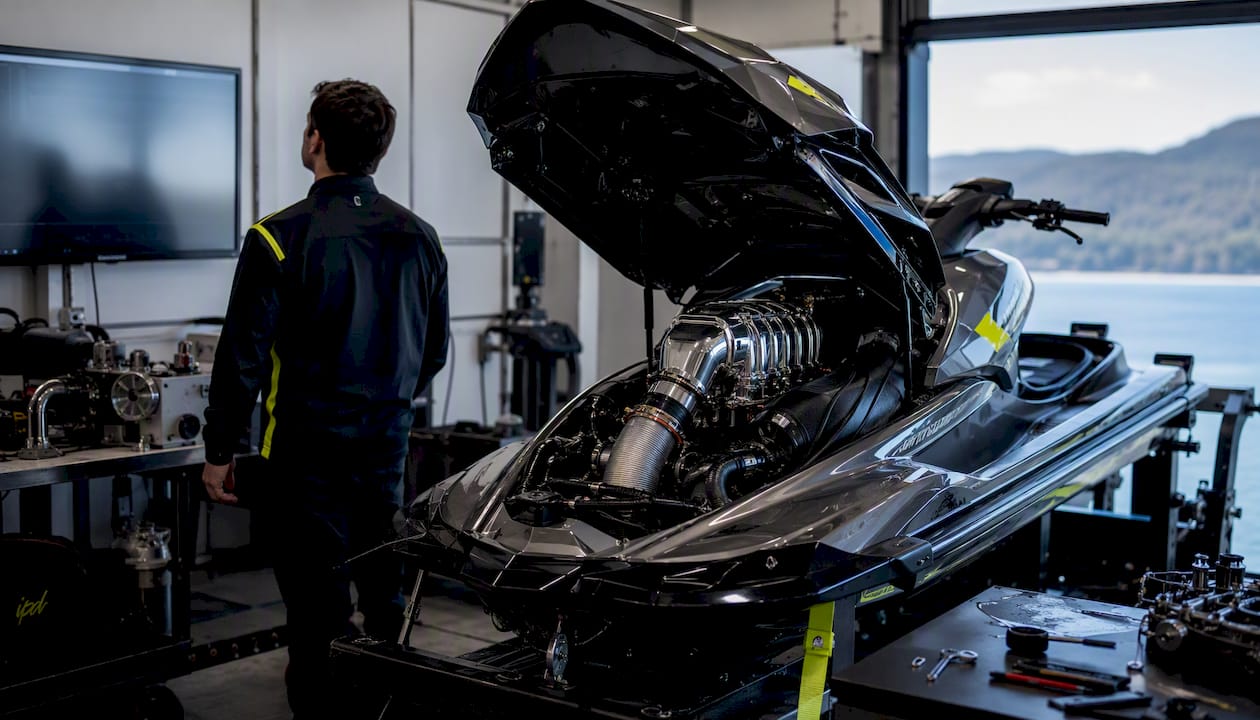
The KraftWerks Yamaha YXZ 1000R supercharger kit, for example, is dyno-proven at 150 hp at the rear wheels and 75 lb-ft of torque, tested with aftermarket headers and exhaust. That figure is measured at the wheels, which already accounts for drivetrain losses. Vendor claims measured at the crank will always read higher. Nizpro Marine’s F300 Lightning kit targets the 475 hp range for the 4.2L V6 outboard, though real-world prop-delivered thrust depends on propeller selection, hull weight, and water conditions.
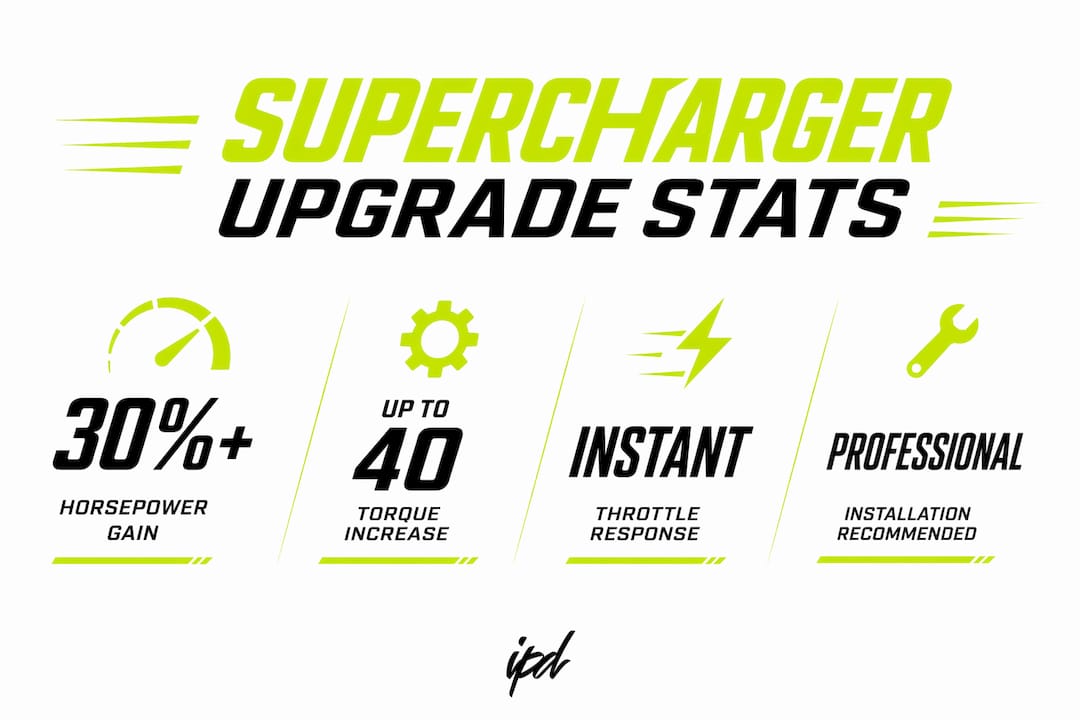
Aftermarket kits publish high peak HP numbers but real-world results vary by tune and supporting systems. A kit installed without a proper ECU calibration will not reach its claimed output and may run lean under boost, which risks detonation.
Pro Tip: When reviewing a dyno sheet, check the intake-air temperature and the correction factor applied. Dyno results depend on correction factors and test conditions; a sheet run on a cool morning with a SAE correction applied will show higher numbers than the same engine on a hot afternoon. Ask the vendor for the raw uncorrected trace alongside the corrected one.
The immediate throttle response of a supercharged setup is often more valuable than peak horsepower for PWC racing and freestyle. Superchargers are mechanically driven, so boost builds the moment you open the throttle with no lag.
How much does a Yamaha supercharger kit cost, and should you DIY?
Kit-only prices vary widely by platform and kit type. Shaft upgrade kits for PWC platforms typically run in the hundreds of dollars. Full bolt-on outboard kits like the Nizpro F300 Lightning sit at a significantly higher price point, and vendors frequently state bolt-on fitment and install-hour ranges of roughly 5–10 hours for experienced installers. Add ECU tuning, which is not optional, and total installed cost climbs further.
DIY vs. professional install:
- DIY pros: Lower labor cost, direct familiarity with your own build, flexibility on timing.
- DIY cons: ECU flash requires specialized software and hardware; incorrect torque specs on supercharger mounting hardware can cause failures; warranty on the kit may be voided without documented professional installation.
- Pro install pros: Shop accountability, access to a dyno for post-install tuning, correct ECU calibration from the start.
- Pro install cons: Higher upfront cost, scheduling lead times, and shop availability varies by region.
| Buyer Profile | Recommended Path | Estimated Labor |
|---|---|---|
| Competitive racer | Pro install with dyno tune | 10–12 hours |
| Weekend performance rider | Pro install or experienced DIY with tune | 5–10 hours |
| Tow/offshore outboard owner | Pro install (ECU flash required) | 6–10 hours |
What reliability trade-offs and maintenance come with a supercharger?
Superchargers increase fuel consumption and maintenance frequency compared to naturally aspirated engines. That is not a reason to avoid them, but it is a commitment you need to plan for.
Common failure modes:
- Shaft wear or fracture under sustained high-boost loads (the primary reason RIVA Racing’s shaft upgrade kit exists)
- Belt or drive system wear from increased rotational loads
- Bearing seizure from inadequate lubrication or missed oil checks
- Intercooler fouling or impeller wear reducing boost efficiency over time
Practical maintenance schedule:
- Pre-ride: Check supercharger oil level and belt tension visually.
- Every 25 hours: Inspect belt condition and supercharger mounting hardware torque.
- Every 50 hours or seasonally: Full shaft inspection, bearing check, intercooler cleaning, and oil change in the supercharger unit.
- Annually: Full rotating assembly inspection by a qualified technician.
Pro Tip: High-speed rotating assemblies require deliberate lubrication and scheduled inspection to reduce the risk of shaft failure or bearing seizure. Do not skip the 25-hour belt check just because the kit is new. Belt tension changes as components seat in.
Actions that meaningfully reduce risk: set rev limits conservatively after install, use a tune calibrated for your specific fuel grade, and replace OEM drive components with upgraded hardware if the kit vendor recommends it.
What supporting mods does a supercharger install actually require?
A supercharger kit is not a standalone upgrade. The supporting hardware is what keeps the engine safe under boost.
Must-have supporting modifications:
- ECU flash/tune: Non-negotiable. A factory ECU calibration is not designed for boosted air-fuel ratios. Running without a tune risks lean conditions and detonation.
- Fueling upgrades: Higher-flow injectors or a fuel pressure regulator adjustment to match increased airflow.
- Intercooler and oil cooler: Complete kits like the KraftWerks YXZ system include a high-mount intercooler and oil cooler for a reason. Heat is the primary enemy of boosted engines.
- Belt and drive upgrades: Heavier-duty belts rated for the increased load.
- Shaft hardware: On PWC platforms, upgraded shaft hardware (RIVA Racing’s kit is the reference standard) before or during supercharger installation.
Nice-to-have additions:
- High-flow air filter for the supercharger inlet
- Aftermarket exhaust to reduce backpressure and lower intake temps
- Datalogging capability to monitor boost pressure, intake temps, and air-fuel ratio post-install
- Upgraded clutch or torque management hardware for side-by-side platforms
For PWC watercraft tuning best practices after a supercharger install, IPD Racing’s tuning guide covers the ECU and fueling steps in detail.
How do you choose the right Yamaha supercharger upgrade for your goals?
Work through this decision flow before contacting any vendor:
- Goal: Top-speed racing, competitive freestyle, offshore performance, or recreational power increase?
- Platform: Which exact Yamaha model, year, and engine serial number?
- Budget: Kit only, or full installed price including tune and supporting mods?
- Maintenance tolerance: Can you commit to a 25-hour inspection schedule and seasonal service?
- Warranty expectations: Do you need the kit vendor to offer a warranty, and does your Yamaha dealer warranty survive the modification?
Questions to ask any vendor or installer:
- Does this kit have documented fitment for my exact model year and engine serial number?
- Can you provide a dyno sheet with correction factors disclosed?
- What warranty do you offer on the kit, and what voids it?
- Is an ECU tune included, or is that a separate cost?
- What is your lead time for parts and tune support?
- What supporting mods do you require for the warranty to remain valid?
Red flags: No fitment documentation for your specific year, no ECU tune included or referenced, vague maintenance requirements, and no dyno data to support claimed horsepower figures.
How IPD Racing supports Yamaha supercharger upgrades
IPD Racing stocks and supports compatible parts for boosted Yamaha platforms, including performance impellers, billet mounting hardware, shaft-replacement components, and engine rebuild parts. The fitment check process is straightforward: provide your model name, model year, and engine serial number, and IPD Racing’s team confirms which parts are compatible before you order.
- Performance impellers for SVHO and SHO WaveRunner platforms
- Billet hardware and mounting components for supercharger support systems
- Engine rebuild kits and internal components for high-output Yamaha engines
- Referrals to qualified installation shops for ECU flash and post-install tuning
Pro Tip: If you are unsure whether your platform needs a shaft upgrade or a full internal rebuild, start with a fitment inquiry. Ordering the wrong tier of hardware is a common and avoidable mistake.
IPD Racing’s JC Racing billet hardware and Hot Products performance parts categories carry components that directly support boosted Yamaha builds.
How do Yamaha supercharger upgrades compare to alternative performance enhancements?
The main alternatives to a supercharger upgrade are turbocharger kits, naturally aspirated engine builds, and propulsion-side upgrades like high-performance impellers.
Turbocharger kits use exhaust gases to drive the compressor, which introduces lag before boost builds. Superchargers are mechanically driven, so boost is immediate, which is why they dominate PWC racing and freestyle applications where throttle response matters more than peak power. A jet ski turbo kit can produce higher peak boost at lower cost in some configurations, but the lag penalty is real in competitive conditions.
Naturally aspirated builds (porting, polishing, high-compression pistons, and aggressive cams) can add meaningful power without the maintenance demands of forced induction, but the gains are smaller and the ceiling is lower. Propulsion upgrades like high-pitch or stainless impellers improve efficiency and top speed without touching the engine, making them a lower-risk first step for riders not ready for a full supercharger project.
Does a Yamaha supercharger upgrade affect resale value?
The resale impact depends on documentation, reversibility, and the buyer pool. A professionally installed, well-documented supercharger upgrade on a popular platform like the SVHO WaveRunner can attract buyers in the performance community and support a higher asking price. Undocumented modifications, missing OEM parts, or a voided Yamaha warranty typically reduce the pool of interested buyers and push price down.
Keeping the OEM supercharger components and ECU in storage, along with all installation receipts and dyno sheets, gives a future buyer the option to return the craft to stock. That documentation is the single most important factor in preserving resale value after a forced-induction upgrade.
What are the long-term cost implications beyond the initial purchase?
The purchase price of a supercharger kit is the smallest line item in the total cost of ownership. Factor in these ongoing expenses:
- ECU tune: One-time cost at install, but re-tuning is needed if you change fuel grade, exhaust, or other supporting mods.
- Scheduled service: Belt replacements, shaft inspections, and bearing checks add cost every season.
- Fuel: Superchargers increase fuel consumption compared to naturally aspirated operation. High-output engines typically require premium fuel.
- Potential repairs: Shaft failure on a PWC supercharger is a known failure mode. A shaft replacement, if not caught early, can escalate to housing damage and a significantly higher repair bill.
- Supporting mod refresh: Belts, intercooler cores, and high-flow injectors all have finite service lives and will need replacement over time.
Budget for annual service costs in addition to the initial kit and installation. Riders who treat the maintenance schedule as optional tend to face the largest repair bills.
What warranty and manufacturer support should you expect?
Yamaha’s factory warranty does not cover damage caused by aftermarket modifications, including supercharger kits. This is standard across the industry. Aftermarket kit vendors offer their own warranties, which vary significantly: some cover the kit hardware only, some require professional installation for the warranty to be valid, and some exclude damage caused by improper tuning.
Key points to confirm with any vendor:
- What the kit warranty covers (hardware defects vs. installation damage vs. tuning-related failures)
- Whether professional installation is required to maintain warranty coverage
- What documentation the vendor needs to process a warranty claim
- Whether the vendor offers tune support if the initial calibration needs adjustment
RIVA Racing’s shaft upgrade kit is a reference example of a product with documented fitment and published installation instructions, which simplifies warranty claims. For any kit, request the warranty terms in writing before purchase.
Key Takeaways
A Yamaha supercharger upgrade delivers immediate throttle response and significant power gains, but only when paired with a professional ECU tune, correct supporting mods, and a committed maintenance schedule.
| Point | Details |
|---|---|
| Platform determines upgrade type | SVHO/SHO WaveRunners need shaft or internal upgrades; outboards like the F300 use full bolt-on kits. |
| ECU tune is mandatory | Running a boosted engine on a factory calibration risks lean conditions and detonation. |
| Maintenance schedule is non-negotiable | Belt, shaft, and bearing inspections every 25–50 hours are required to avoid catastrophic failure. |
| Long-term costs exceed kit price | Fuel, scheduled service, and potential repairs add up significantly over the life of the build. |
| IPD Racing fitment support | Contact IPD Racing with your model, year, and engine serial number before ordering any supercharger hardware. |
When does a supercharger actually make sense?
The riders who get the most out of a Yamaha supercharger upgrade are competitive racers, serious freestyle athletes, and offshore performance enthusiasts who ride hard, ride often, and treat maintenance as part of the sport. These are owners who track their service hours, keep receipts, and understand that a boosted engine is a higher-maintenance machine by design.
The upgrade makes less sense for low-use recreational riders, budget-limited owners who cannot absorb a potential repair bill, or anyone unwilling to commit to a seasonal inspection schedule. The performance gains are real, but so are the trade-offs. A boosted platform rewards disciplined ownership and punishes neglect faster than any naturally aspirated setup.
The mindset required is simple: treat the supercharger as a precision component, not a set-and-forget bolt-on.
Get the right parts and fitment help from IPD Racing
IPD Racing carries performance impellers, billet hardware, engine rebuild components, and shaft-replacement parts for boosted Yamaha platforms, all backed by a team that knows PWC performance from recreation to racing.
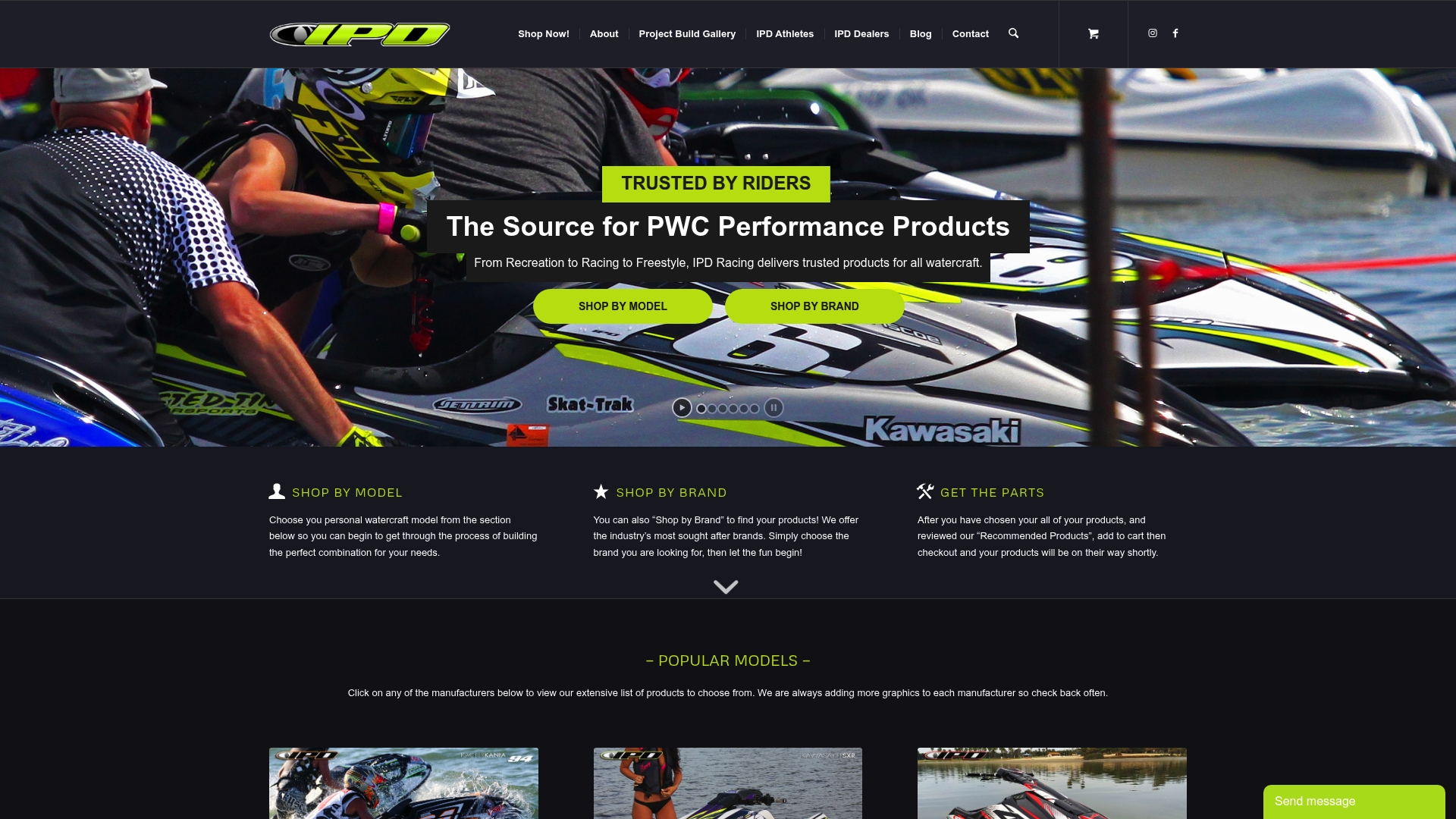
Whether you need a fitment confirmation before ordering or you are ready to spec out a full supercharger support build, IPD Racing makes it straightforward. Provide your model, year, and engine serial number, and the team will confirm compatibility and point you to the right parts. Browse race-proven PWC performance upgrades or shop the Hot Products performance parts catalog for components that support boosted Yamaha builds. Contact IPD Racing directly at ipdracing.com to request a fitment check or parts quote today.
Where to read more about Yamaha supercharger systems
- Yamaha GP SVHO WaveRunner: Official Yamaha page for the factory SVHO platform; use this to confirm factory horsepower specs and standard equipment before evaluating aftermarket gains.
- RIVA Racing Supercharger Shaft Upgrade Kit: Product page for the RIVA shaft upgrade; best used for fitment details, installation instructions, and understanding what the shaft upgrade addresses.
- Nizpro Marine F300 Lightning Supercharger Kit: Vendor page for the F300 bolt-on kit; use for claimed horsepower figures, fitment year range, and install-hour estimates.
- KraftWerks YXZ 1000R Supercharger Kit: Detailed kit contents, dyno data, and component specifications for the YXZ side-by-side platform.
- SBT: Pros and Cons of Supercharged Jet Ski Engines: Technical overview of supercharger trade-offs for PWC applications; useful for understanding maintenance demands and reliability expectations.
- Valve Control Exhaust: Forced Induction Performance Guide: Explains how exhaust and airflow interact with forced induction; relevant for understanding supporting mod requirements and reading dyno sheets accurately.

