
Watercraft Spark Plug Replacement: A Practical Guide
Watercraft spark plug replacement is the process of removing worn ignition plugs and installing new ones to restore engine efficiency and prevent misfires. For personal watercraft (PWC) owners, this is one of the most direct ways to protect engine health and maintain consistent power output. Standard PWC maintenance schedules call for spark plug inspection every 25 hours and full replacement every 50 hours. Skipping this service leads to hard starts, rough idle, and reduced throttle response. The good news is that a complete plug swap takes about 30 minutes with the right tools and technique.
What tools do you need for watercraft spark plug replacement?
Preparation determines whether the job goes smoothly or turns into a frustrating hour of improvising. DIY spark plug replacement on a PWC typically takes about 30 minutes when you have all the right tools ready before you start. That estimate assumes no stripped threads, no missing extensions, and no hunting for parts mid-job.
Essential tools and materials:
- Spark plug socket (typically 5/8-inch or 18mm, depending on your engine)
- Torque wrench capable of reading in foot-pounds
- Feeler gauge for checking electrode gap
- Dielectric grease (a small tube is enough for multiple services)
- Extension bar and flexible ratchet for deep-set plugs
- OEM-spec replacement spark plugs matched to your model
- Clean shop rags and a small wire brush
- Safety glasses and nitrile gloves
The plug specification matters more than most owners realize. Always match OEM part numbers rather than relying solely on cross-reference charts. Cross-referenced plugs may fit physically but run at the wrong heat range, causing pre-ignition or fouling. Check your owner’s manual for the exact part number before ordering.
| Tool | Purpose | Notes |
|---|---|---|
| Spark plug socket | Removes and installs plugs | Match socket size to plug hex |
| Torque wrench | Applies correct tightening force | Required to avoid thread damage |
| Feeler gauge | Measures electrode gap | Check against OEM spec |
| Dielectric grease | Seals boot from moisture | Use a pea-sized amount only |
| Flexible extension | Reaches deep-set plugs | Needed on many PWC models |
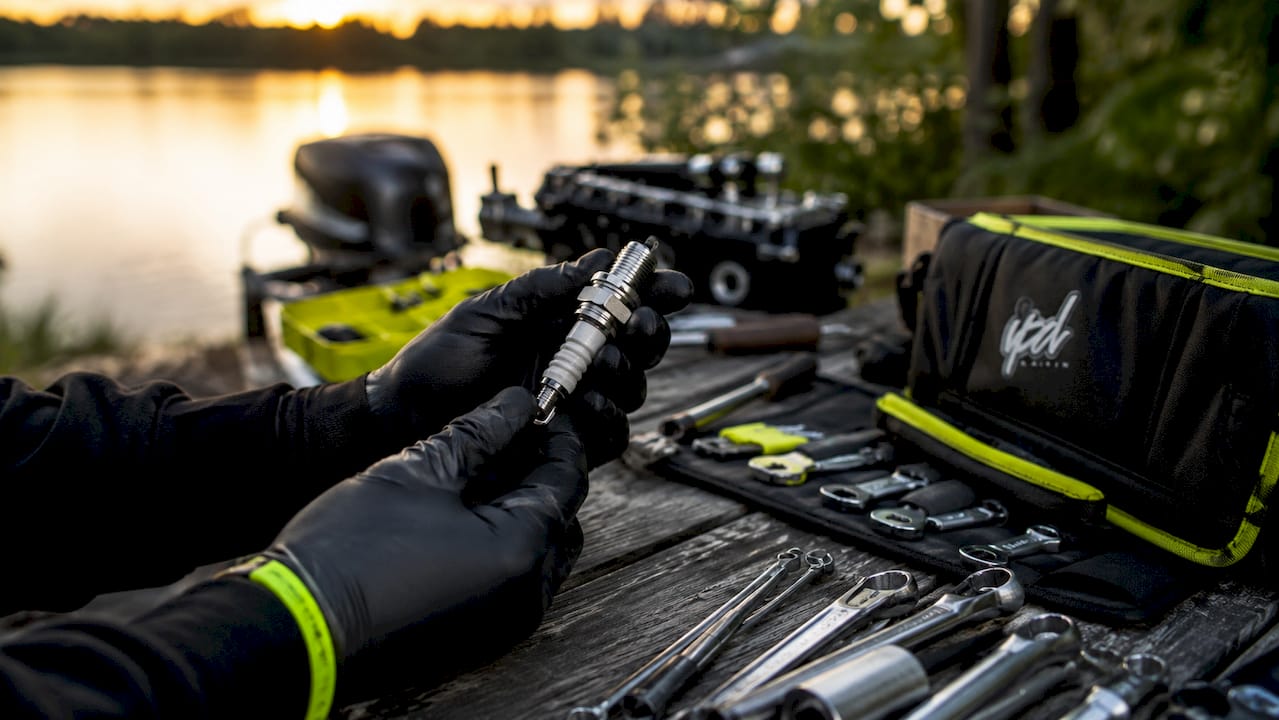
Pro Tip: Buy your replacement plugs from a source that stocks OEM-matched marine plugs. IPD Racing carries NGK spark plugs for jet skis that are spec-matched to common PWC models, removing the guesswork from part selection.
How do you locate and safely remove old spark plugs?
Spark plug location varies by engine type and model year. On most four-stroke PWCs, the plugs sit under a top engine cover or beneath a plastic panel near the front of the hull. Two-stroke engines typically have plugs positioned on the side of the cylinder. Consult your service manual if you are unsure, since forcing access on the wrong panel can crack plastic or damage wiring harnesses.
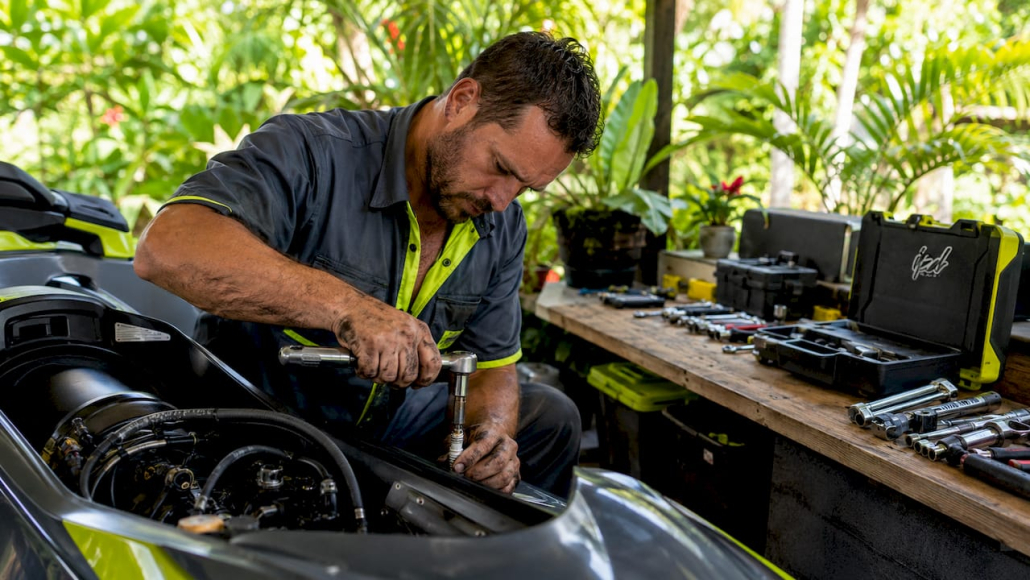
Accessing spark plugs under deep engine covers often requires flexible ratchet extensions and removing additional panels, which adds time beyond the basic replacement estimate. Plan for this before you start, especially on newer models with tighter engine compartments.
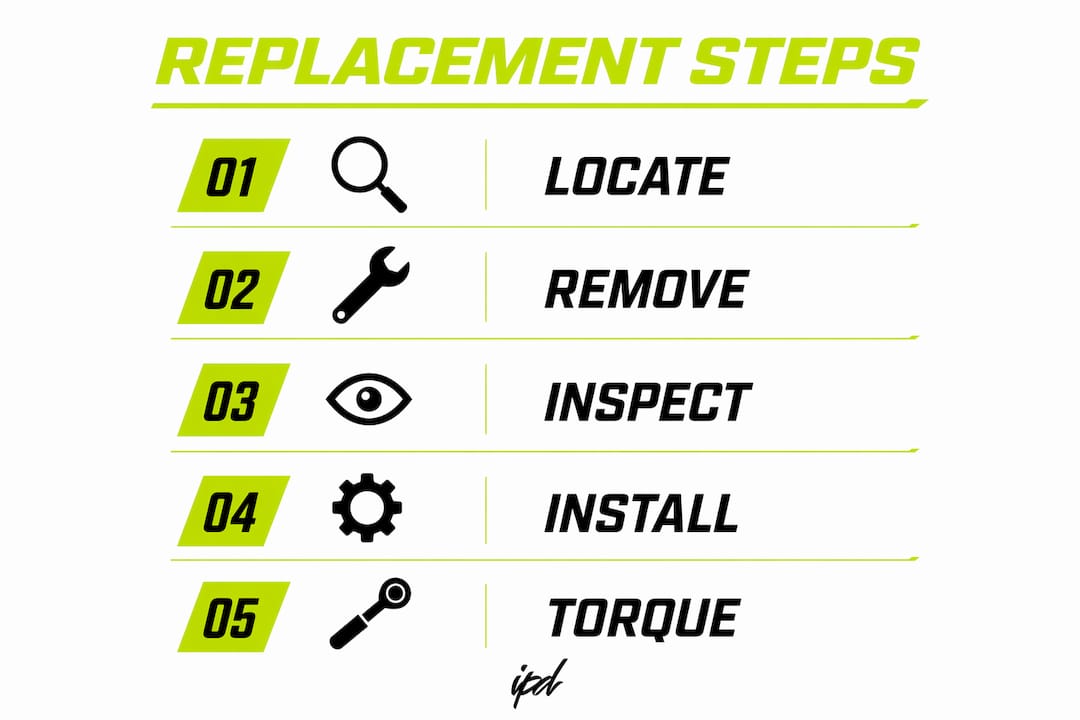
Follow these steps to remove old plugs safely:
- Let the engine cool completely. Hot aluminum threads strip easily. Wait at least 30 minutes after the last ride.
- Remove the engine cover or access panel. Set all fasteners in a container so nothing rolls into the bilge.
- Disconnect the spark plug boot. Grip the boot firmly at its base and twist slightly while pulling straight up. Never yank by the wire.
- Clear debris from around the plug. Use compressed air or a clean rag to remove grit before breaking the plug loose. Debris falling into the cylinder causes serious damage.
- Break the plug loose with a socket. Turn counterclockwise. If the plug feels stuck, apply penetrating oil and wait 10 minutes before trying again.
- Remove the plug by hand once loose. This lets you feel if threads are binding before you apply more torque.
- Inspect the old plug before discarding it. Carbon deposits, oil fouling, or a melted electrode each point to a specific engine problem worth addressing.
Pro Tip: If a plug is seized and will not break free, do not force it. A broken plug in an aluminum head is a far more expensive repair than a shop visit. Apply penetrating oil, wait, and try again with steady pressure.
How do you install new spark plugs correctly?
Correct installation technique protects the aluminum cylinder head and ensures reliable ignition. Proper spark plug gap and torque settings are essential to reliably ignite lean air-fuel mixtures, improving engine efficiency and reducing emissions. Getting both right takes less than five minutes per plug.
Installation steps:
- Check the electrode gap. The recommended gap for four-stroke PWCs is typically 0.028–0.035 inches, but always verify against your owner’s manual since it varies by model. Use a feeler gauge and adjust by bending the ground electrode gently.
- Apply dielectric grease to the boot interior. Use a pea-sized amount inside the spark plug boot. Too much grease causes arcing or attracts contaminants that degrade the connection over time.
- Thread the plug in by hand first. Hand-threading confirms the plug is seated correctly before any torque is applied. Cross-threading at this stage is the most common and most preventable mistake.
- Tighten with a torque wrench. The recommended torque is 10–15 foot-pounds for most PWC applications. Confirm the exact spec in your service manual.
- Reconnect the spark plug boot. Press it firmly onto the plug until you feel or hear it click into place.
Key points to remember during installation:
- Never use anti-seize compound on spark plug threads unless the manufacturer specifically calls for it. It changes the effective torque value.
- Torque in a single smooth motion rather than multiple small increments.
- Over-tightening beyond manufacturer specs strips threads in aluminum cylinder heads, turning a $10 plug into a $300 repair.
- Replace all plugs at the same time, even if only one shows visible wear.
What are common issues after spark plug replacement?
A fresh set of plugs should produce immediate improvement in throttle response and idle quality. If problems persist after the service, the cause is usually installation error or an underlying engine issue the plugs exposed rather than caused.
Signs to watch for after replacing plugs:
- Rough idle or misfires: Check that all boots are fully seated. A loose boot creates an intermittent connection that mimics a bad plug.
- Hard starts: Verify the gap on each plug. A gap that is too wide requires more voltage to fire and strains the ignition coil.
- Black sooty deposits on new plugs within a few rides: This indicates a rich fuel mixture or oil burning. The plugs are not the root problem.
- White or blistered electrodes: This points to overheating, often from a lean mixture or incorrect heat range. Confirm you installed the correct OEM-spec plug.
Inspecting your spark plugs after the first few rides following a replacement tells you more about your engine’s health than any single diagnostic tool. The color and condition of the electrode reveal combustion quality, fuel mixture accuracy, and cooling system performance all at once.
Rinse the engine compartment with fresh water after every saltwater ride. Salt residue accelerates corrosion on plug boots and terminals, shortening the life of a fresh set of plugs significantly. This single habit extends the service interval and keeps the ignition system reliable between scheduled maintenance visits. For riders who want to go deeper on PWC tuning best practices, understanding how ignition health connects to overall engine tuning is a natural next step.
How do riding habits and environment affect replacement frequency?
Riding style and water conditions directly change how fast spark plugs wear. Marine spark plugs endure harsher conditions than automotive plugs, including sustained high RPM and salt air corrosion that accelerate electrode erosion. A plug that lasts 50 hours in calm freshwater conditions may need replacement at 30 hours under aggressive saltwater use.
Aggressive riding and towing increase thermal stress on the engine, causing spark plugs to wear faster and requiring more frequent inspections. Riders who run at wide-open throttle regularly, compete in events, or tow riders on inflatables should treat the 25-hour inspection interval as a firm deadline rather than a suggestion. For context on how marine engine service schedules apply across different engine types, the principles are consistent: more stress means shorter intervals.
| Riding Condition | Recommended Inspection Interval | Notes |
|---|---|---|
| Casual freshwater riding | Every 25 hours | Follow OEM schedule |
| Frequent saltwater use | Every 15–20 hours | Salt accelerates corrosion |
| Aggressive or racing use | Every 10–15 hours | High RPM increases thermal wear |
| Off-season storage | Before and after storage | Check for corrosion and moisture |
Off-season storage is a commonly missed maintenance window. Before storing your PWC, remove the plugs, inspect them, and apply a light coat of fogging oil to the cylinder if the engine will sit for more than 60 days. Reinstall the plugs finger-tight during storage to keep moisture out of the cylinders. This practice protects both the plugs and the cylinder walls from corrosion during the off-season.
What I’ve learned from years of watching riders skip this service
Riders who treat spark plug replacement as optional maintenance almost always pay for it eventually. The failure mode is rarely dramatic. It shows up as a sluggish throttle response on a hot day, a hard start after the craft sits for two weeks, or a rough idle that gets written off as “just how it runs.” By the time the engine misfires consistently, the plugs have been overdue for replacement for a full season.
The mistake I see most often is relying on cross-reference charts instead of OEM part numbers. A plug that fits and fires is not the same as a plug that fires correctly for your engine’s heat range and compression ratio. Marine engines are not forgiving of the wrong heat range. Running a plug that is too cold causes fouling; too hot causes pre-ignition. Both outcomes damage the engine over time.
My honest recommendation is to inspect plugs at every 25-hour mark without exception, and replace them at 50 hours regardless of how they look. A plug can appear serviceable while its electrode gap has drifted out of spec. The PWC maintenance schedule exists because engineers tested these intervals under real operating conditions. Trust the interval, not your eyes.
— Casey
Quality spark plugs and performance parts at IPD Racing
IPD Racing stocks spark plugs and ignition components spec-matched to popular PWC models, so you get the right part the first time without cross-referencing guesswork.

Whether you ride recreationally, compete in watercross events, or push your craft in freestyle, IPD Racing carries the engine and ignition parts that keep your watercraft running at full capability. The catalog covers everything from replacement plugs to full performance upgrades for riders who want more than stock output. Browse the full selection at IPD Racing’s shop and find components built for the demands of real watercraft use.
FAQ
How often should I replace spark plugs in my jet ski?
Standard PWC maintenance schedules require inspection every 25 hours and full replacement every 50 hours. Saltwater riders and aggressive riders should inspect more frequently.
What happens if I over-tighten spark plugs?
Over-tightening beyond the manufacturer’s torque specification strips threads in aluminum cylinder heads. The recommended torque is 10–15 foot-pounds for most PWC engines.
Can I use automotive spark plugs in my watercraft?
Marine spark plugs are engineered for corrosion resistance and sustained high-RPM conditions that automotive plugs are not built to handle. Always use OEM-matched marine plugs for your specific model.
What is the correct spark plug gap for a four-stroke PWC?
The typical electrode gap for four-stroke PWCs is 0.028–0.035 inches, but the exact spec varies by model. Always confirm the correct gap in your owner’s manual before installation.
How do I know if my spark plugs need replacement before the scheduled interval?
Signs include hard starts, rough idle, misfires, and reduced throttle response. Inspecting the electrode for heavy carbon deposits, oil fouling, or erosion confirms whether early replacement is needed.
Key takeaways
Watercraft spark plug replacement done at the correct interval with OEM-spec parts and proper torque is the single most cost-effective way to protect engine performance and avoid ignition failures.
| Point | Details |
|---|---|
| Follow the 25/50-hour rule | Inspect plugs every 25 hours and replace every 50 hours per standard PWC schedules. |
| Use OEM part numbers | Cross-reference charts are not reliable; match the exact OEM spec to avoid heat range errors. |
| Torque to spec | Apply 10–15 foot-pounds with a torque wrench to prevent costly thread damage in aluminum heads. |
| Adjust for conditions | Saltwater and aggressive riding require shorter inspection intervals than the manual recommends. |
| Inspect after replacement | Check plug color and condition after the first few rides to catch fuel mixture or cooling issues early. |

