
Free-Ride Jet Ski Modifications Explained for Riders
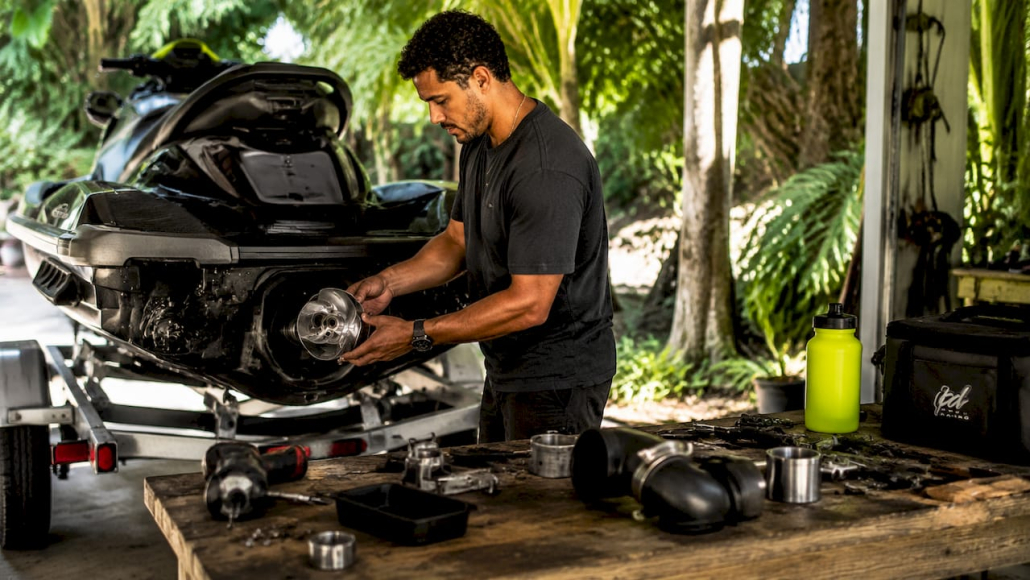
Free-ride jet ski modifications are specialized upgrades designed to optimize watercraft agility, power, and control for freestyle riding. Unlike general performance upgrades, these modifications target the specific demands of free riding: quick throttle response, precise handling, and reliable power delivery through tricks, jumps, and varied water conditions. The industry term for this discipline is “freestyle PWC tuning,” and understanding it separates riders who feel fast from riders who actually are. This guide covers free-ride jet ski modifications explained from propulsion to handling, so you can build a setup that performs where it counts.
What are the essential free-ride jet ski modifications?
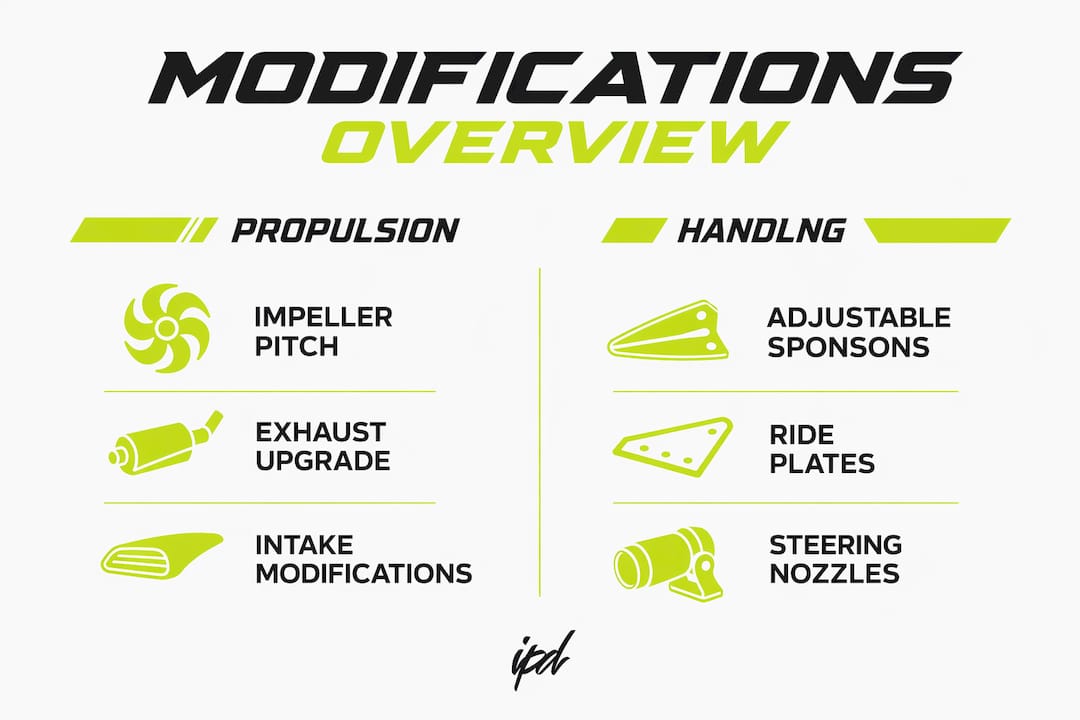
Free-ride jet ski modifications fall into four core categories: propulsion, engine management, intake and exhaust, and handling. Each category addresses a different aspect of freestyle performance, and the best results come from treating them as a system rather than a checklist.
The most common upgrades riders start with include:
- Impeller upgrades: Replacing the stock impeller changes thrust output and powerband positioning. The impeller dictates acceleration and thrust efficiency, making it the single most impactful propulsion change you can make.
- Adjustable sponsons: Stock sponsons are small plastic fins that offer minimal grip. Aftermarket sponsons provide control advantages for freestyle riding by letting you fine-tune turn sharpness and lateral stability.
- ECU reflashing: Modern jet skis ship with electronic speed restrictions. An ECU remap removes those limits and optimizes fuel delivery and ignition timing for sharper throttle response.
- High-flow intake filters: Replacing the restrictive OEM air filter with a high-flow unit improves engine breathing and throttle response under load.
- Free-flow exhaust kits: These reduce backpressure, improve cooling during extended high-speed runs, and add measurable power output.
A common pitfall is over-propping. Riders who select too aggressive an impeller pitch reduce their usable RPM range, which causes engine bog and accelerates pump wear. A balanced setup that holds clean RPM and recovers quickly after landings feels faster and more responsive than a setup chasing peak numbers on paper.
Pro Tip: Before spending money on performance parts, clean and inspect your electrical connections. Maintaining the positive battery connector and electrical system can resolve hidden performance issues that upgrades will not fix.

How does impeller tuning influence free-ride performance?
The impeller is the load device at the heart of your jet ski’s propulsion system. Most riders treat it as a speed part, but that framing leads to poor choices. The impeller controls where in the RPM range your engine produces power, and that placement determines how the ski feels under your feet.
“Impeller tuning should be viewed as alignment rather than merely selecting for aggressive pitch; consistent RPM and quick recovery increase real-world speed feel.” — The Watercraft Journal
Aggressive pitch sounds appealing on paper. In practice, it pushes the engine below its optimal RPM band, causing bog on acceleration and sluggish recovery after a landing or a throttle chop. A mismatched impeller pitch can also cause overheating under sustained load, which shortens engine life. For free riding, where you are constantly cycling between full throttle and off-throttle, that recovery speed matters more than top-end velocity.
The correct approach is to select impeller pitch based on your engine’s target RPM range, your hull weight, and your riding style. Riders who prioritize tricks and aerial maneuvers need fast recovery. Riders focused on distance and speed can tolerate slightly more pitch. IPD Racing’s impeller selection resources walk through pitch considerations specific to free-ride setups, which saves time and prevents costly mistakes.
Pro Tip: Test your setup on the water before committing to a final impeller choice. A pitch that feels perfect in flat water may bog in chop or after a jump landing. Real-world testing beats spec sheets every time.
Which engine and intake/exhaust modifications optimize free-ride jet skis?
Engine management and airflow modifications work together. Changing one without the other leaves performance on the table. The following sequence represents the most effective order for building a free-ride engine package:
- ECU remapping. This is the foundation of any high-performance modification strategy. Remapping removes stock speed restrictions and unlocks higher RPMs and sharper throttle response. Without it, intake and exhaust upgrades deliver only partial gains because the engine management system still limits output.
- High-flow power filter installation. Replacing the OEM air filter with a high-flow unit reduces intake restriction. The result is improved engine breathing, better throttle response, and more consistent power delivery at high RPM.
- Free-flow exhaust kit. A free-flow exhaust reduces backpressure and improves cooling under load. For free riders running extended sessions, the cooling benefit is as important as the power gain.
- Throttle body upgrade. Throttle body upgrades increase air intake diameter. This is especially critical for supercharged or modified engines that require high airflow volume to reach their potential. Pairing a larger throttle body with a remapped ECU and a high-flow filter produces meaningful horsepower gains and noticeably sharper throttle response.
- Reliability check. After each modification, verify that the full combination holds clean RPM under load. Aligning engine load, powerband RPM, and hull behavior delivers consistent usable power rather than peak numbers that fall apart in real conditions.
For riders looking at forced induction, IPD Racing’s turbo kit overview covers how engine upgrades affect power delivery and recovery after chop, which is directly relevant to free-ride applications.
Handling and trim modifications for better maneuverability and control
Engine power means nothing if the hull cannot translate it into controlled movement. Handling modifications address grip, trim, and steering response, and they are often the difference between a ski that feels planted and one that washes out mid-turn.
Adjustable racing sponsons
Adjustable racing sponsons replace the stock plastic fins with larger, repositionable units. Aftermarket sponsons increase grip and let you dial in turn sharpness and lateral stability independently. Moving sponsons forward increases turning aggression. Moving them back adds straight-line stability. Free riders typically run a middle position that balances both.
Ride plates
Ride plates affect how the ski sits in the water under acceleration. The stock plate on most freestyle models allows the nose to lift, which causes porpoising. A modified ride plate keeps the ski’s nose down under acceleration by adjusting length and angle. The result is a flatter, more predictable ride through chop and after landings.
Nozzle modifications
The steering nozzle controls where thrust exits the pump. Nozzle modifications improve pump efficiency and steering response, particularly at low speed where most freestyle tricks are initiated. IPD Racing’s nozzle modification guide covers tuning propulsion components for maximum responsiveness in freestyle conditions.
| Modification | Primary benefit | Best for |
|---|---|---|
| Adjustable sponsons | Grip and turn control | Tight turns and lateral stability |
| Ride plate upgrade | Trim and nose control | High-speed stability and chop |
| Nozzle modification | Steering response | Low-speed trick initiation |
| Combined setup | Full handling control | Dynamic, varied water conditions |
These three modifications work together. Sponsons control lateral grip, the ride plate controls pitch, and the nozzle controls directional response. Tuning all three as a system produces handling that feels immediate and predictable across different water conditions.
Key Takeaways
Free-ride jet ski performance depends on treating propulsion, engine management, and handling as a single integrated system rather than a list of independent upgrades.
| Point | Details |
|---|---|
| Impeller alignment over pitch | Select impeller pitch to match your engine’s RPM range, not to maximize top speed on paper. |
| ECU remap first | Remap the ECU before adding intake or exhaust parts to unlock the full benefit of each upgrade. |
| Sponsons, ride plate, nozzle | Tune all three handling components together for predictable control across varied water conditions. |
| Avoid over-propping | Too aggressive an impeller pitch causes bog, overheating, and pump wear that reduces reliability. |
| Test on the water | Real-world testing after each modification confirms whether the full combination performs as intended. |
What I’ve learned about free-ride tuning that most guides skip
Most free-ride tuning articles focus on what to buy. The harder lesson is understanding why a modification works in your specific setup. I’ve seen riders drop serious money on an aggressive impeller, a free-flow exhaust, and a high-flow filter, then wonder why the ski feels worse than stock. The answer is almost always misalignment. The parts are good. The combination is wrong.
The single most useful shift in thinking is treating your impeller as a tuning tool, not a performance badge. A pitch that holds your engine in its optimal RPM band through a full trick sequence will always feel faster than a pitch that looks impressive on a dyno sheet. Quick recovery after a landing is worth more than an extra two miles per hour at the top end.
I also think riders underestimate how much handling modifications change the experience. Sponson and ride plate adjustments cost less than engine work and deliver immediate, noticeable results on the water. If you are new to free-ride modifications, start there. Get the ski handling the way you want it, then build the engine package around a hull that already works.
Incremental changes with water testing between each step is the only reliable method. It takes more time, but it tells you exactly what each modification contributes. That knowledge is worth more than any single part.
— Casey
IPD Racing’s performance parts for free-ride jet skis
IPD Racing stocks performance parts across every category covered in this article, from impellers and exhaust kits to sponsons and ECU tuning support. The IPD Racing shop carries parts for recreation, racing, and freestyle builds, with product listings organized by model and modification type.
For riders building a free-ride setup from the ground up, IPD Racing’s performance parts catalog highlights top upgrade options aligned with current freestyle tuning trends. The maintenance and repair section also covers the foundational work that keeps modifications reliable over a full riding season. IPD Racing’s technical resources complement your own research and help you avoid the mismatched combinations that cost time and money to undo.
FAQ
What is the first modification to make on a free-ride jet ski?
An ECU remap is the most effective starting point. It removes stock restrictions and optimizes fuel and ignition delivery, which unlocks the full benefit of every intake and exhaust upgrade that follows.
How do I know if my impeller pitch is wrong?
Engine bog on acceleration, slow RPM recovery after a landing, and overheating under sustained load are the clearest signs. A mismatched impeller pitch pushes the engine outside its optimal RPM range and reduces both performance and reliability.
Do sponson upgrades make a real difference for freestyle riding?
Adjustable racing sponsons produce a noticeable improvement in grip and turn control. Stock sponsons are small plastic fins with limited adjustability; aftermarket units let you tune turn sharpness and lateral stability to match your riding style.
What does a ride plate modification do?
A ride plate modification adjusts the length and angle of the plate under the hull to keep the ski’s nose down under acceleration. This reduces porpoising and improves high-speed stability, which is especially useful in choppy water conditions.
Can I run intake and exhaust upgrades without an ECU remap?
You can, but the gains will be partial. The stock ECU limits RPM and fuel delivery, so intake and exhaust improvements cannot reach their full potential without a remap that aligns engine management with the new airflow capacity.

