

Watercraft Accessories for Beginners: 2026 Guide
Watercraft accessories for beginners are the safety, compliance, and convenience items that determine whether your first time on the water is enjoyable or dangerous. The right beginner watercraft gear covers three categories: legally required safety equipment, docking and protection tools, and comfort upgrades that make handling easier. Skipping any of these categories puts you at legal risk and physical risk. This guide covers every item you need, why it matters, and how to choose correctly from the start.
1. what are the must-have safety accessories for beginners?
Safety equipment for watercraft is not optional. Federal law requires specific gear on board every time you launch, and the 2025 USCG harmonization rule updated approval standards for life jackets across all vessel types.
Personal Flotation Devices (PFDs)
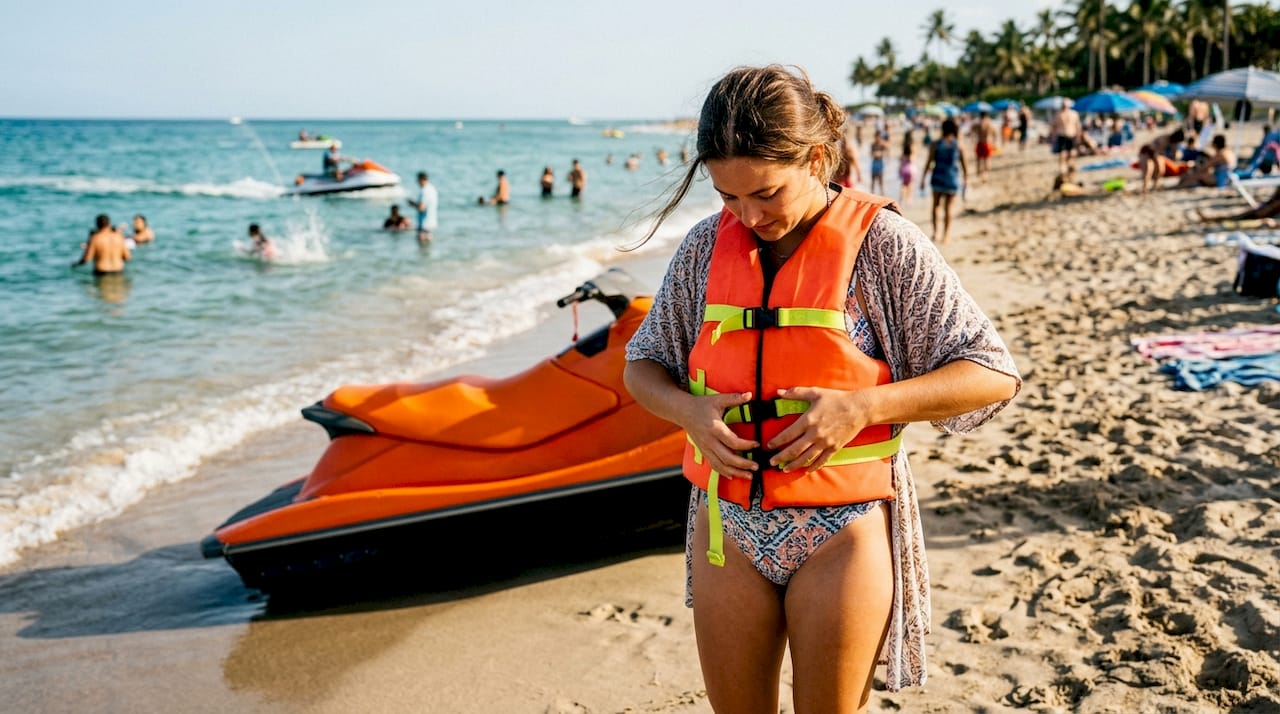
A USCG-approved PFD must be on board for every person, correctly sized and in serviceable condition. That means no torn straps, no missing buckles, and no jacket two sizes too big. A PFD that does not fit is functionally useless in an emergency.
Kill Switch Lanyard
The kill switch lanyard attaches to your wrist or life jacket and cuts the engine if you fall off. On a personal watercraft (PWC), this is a legal requirement in most states. Attach it before you start the engine, every single time.
Visual Distress Signals
Visual distress signals are required based on vessel length and operating area, and you need both day and night coverage. An electric light alone does not satisfy daytime requirements. Carry Coast Guard-approved pyrotechnic flares or an approved non-pyrotechnic combination to stay compliant.
Sound Signaling Device
PWC regulations require a sound-producing device such as a whistle. Attach it to your life jacket so it is always within reach. An air horn stored in a dry bag below deck does not help when you are in the water.
Fire Extinguisher
Enclosed engine compartments on PWCs require a Coast Guard-approved B-1 fire extinguisher. Check the gauge before every outing and replace it if the needle falls below the green zone.
Pro Tip: Lay out your PFD, kill switch lanyard, whistle, and distress signals in one spot before every launch. Gear accessibility directly improves survival outcomes in real incidents. You will not have time to search for anything if something goes wrong.
2. how do PFD types compare for beginner watercraft users?
Life jackets fall into five USCG classifications, and choosing the wrong type is one of the most common beginner mistakes. Type I through Type V each serve different conditions, buoyancy levels, and use cases.
| PFD Type | Best Use | Buoyancy | Notes for Beginners |
|---|---|---|---|
| Type I | Offshore, rough water | 22+ lbs | Bulky; not practical for PWC use |
| Type II | Near-shore, calm water | 15.5 lbs | Budget option; less comfortable for all-day wear |
| Type III | Recreational, calm water | 15.5 lbs | Most popular for beginners; comfortable fit |
| Type IV | Throwable device | Varies | Supplement only; not a wearable substitute |
| Type V | Specialized use | Varies | Inflatable types prohibited on PWCs |
Type III PFDs are the standard choice for recreational beginners. They offer enough buoyancy for calm water use and are designed for all-day comfort. Note that inflatable PFDs are prohibited on PWCs. This surprises many new riders who assume inflatable models are an upgrade. On a jet ski, you must wear an inherently buoyant Type III.
Children and pets need properly sized PFDs rated for their weight. An adult jacket on a child creates a drowning risk, not protection.
Pro Tip: Try on a PFD before you buy it. Raise both arms above your head. If the jacket rides up past your chin, it is too large. Fit determines whether a PFD actually keeps your head above water.
The 2025 USCG harmonization rule means older life jackets may no longer meet current approval standards. Check the label on any jacket purchased before 2025 to confirm it carries a current USCG approval mark.
3. which convenience accessories protect your watercraft at the dock?
Docking is where most beginner damage happens. Fenders, dock lines, and tie-downs are the practical protection gear that keeps your hull intact during your first outings.
- Fenders and bumpers: These foam or inflatable cushions hang between your PWC and the dock. Without them, every bump scratches gelcoat or cracks fiberglass. Position them at the widest points of the hull.
- Dock lines and bungee ties: Standard dock lines hold your craft in place. Bungee dock ties add stretch to absorb wave action, which prevents the repeated banging that loosens cleats over time.
- Anchor: A small folding anchor with 25–30 feet of line gives you the ability to stop and hold position in open water. This is useful for swimming breaks or waiting out boat traffic.
- Starter kits: Bundled kits reduce the guesswork for new owners. The Jetpilot Essentials Watercraft Kit includes two PWC fenders, bungee dock ties, an anchor, and a basic safety kit in one package. Buying components separately often costs more and leaves gaps.
For your first one or two outings, bundle docking and protection essentials before spending money on electronics or comfort upgrades. Protecting the watercraft itself is the priority.
4. what extra accessories improve comfort without complicating setup?
Once your safety and docking gear is sorted, a short list of comfort and utility items makes a real difference on the water. These are the affordable paddleboard gear and PWC extras that beginners often overlook until they need them.
- Dry bags: A 10-liter dry bag protects your phone, wallet, and keys from spray and submersion. Brands like Sea to Summit and Earth Pak offer roll-top closures that seal reliably at a low price point.
- Waterproof phone holder: A waterproof phone mount or pouch lets you access navigation apps without risking your device. Mount it to the handlebars or clip it to your PFD.
- Sun protection: UV exposure on open water is significantly higher than on land due to reflection off the surface. Wear SPF 50 sunscreen, UV-blocking sunglasses, and a rash guard or long-sleeve shirt.
- Wetsuit shorts: Protective wetsuit shorts reduce bruising and abrasion during falls, which are common for beginners. They also provide thermal protection in cooler water.
- GPS and navigation: A basic waterproof GPS unit or a phone running Navionics gives you position awareness and helps you return to the launch point. This matters more than most beginners expect.
- SUP starter bundles: If you are starting on a stand-up paddleboard rather than a PWC, inflatable SUP kits typically include the board, pump, leash, and carry bag. Inflate to 12–15 PSI for stable performance. These bundles cover the basics without requiring separate purchases.
Key takeaways
The most effective approach to beginner watercraft gear is to build from legally required safety items outward, adding docking protection before comfort upgrades.
| Point | Details |
|---|---|
| Safety gear is legally required | Carry a USCG-approved PFD, kill switch lanyard, distress signals, and sound device on every outing. |
| PFD type matters for PWC riders | Type III inherently buoyant PFDs are required on PWCs; inflatable models are prohibited. |
| Starter kits reduce beginner errors | Bundled kits like the Jetpilot Essentials cover fenders, ties, and anchors in one purchase. |
| Accessibility saves lives | Store your PFD, lanyard, and whistle where you can grab them in seconds, not buried in storage. |
| Comfort gear comes after safety | Add dry bags, sun protection, and GPS only after your safety and docking setup is complete. |
What i have learned about building a beginner gear kit
Every year I see new riders show up at the water with a brand-new PWC and almost no accessories. They have the machine but not the gear that makes it legal or safe to operate. The pattern is consistent: they spent their budget on the watercraft and assumed accessories were optional extras.
The single most important thing I can tell you is this. Buy your safety gear before you buy anything else. A kill switch lanyard costs under $20. A proper Type III PFD costs $40–$80. These two items alone cover the most critical failure points for new riders.
The second mistake I see constantly is the wrong-sized life jacket. A beginner buys a jacket that technically meets the “one per person” requirement but fits so poorly it would not keep them face-up in the water. Sizing and fit are not secondary concerns. They are the whole point. Check the weight range on the label and try it on before you leave the store.
For your first two outings, keep the gear list short. Safety essentials plus a basic docking kit is all you need. Expand from there once you understand how you actually use the watercraft. Buying too much too fast leads to gear you never use and storage problems you did not expect. Start with what keeps you legal and protected. Everything else follows.
— Casey
Get the right PWC gear from Ipdracing
Ipdracing stocks performance parts and safety accessories for every level of rider, from first-time PWC owners to competitive racers. Whether you are setting up a Sea-Doo Spark for weekend recreation or building out a race-ready kit, Ipdracing carries the components you need from trusted brands.
New riders can start with the Ipdracing shop to browse beginner-friendly PWC kits, safety gear, and handling components. If you want to understand which parts fit your specific model, the PWC Doctor resource walks you through maintenance and upgrade decisions by model. Ipdracing also covers personal watercraft models in detail so you can match accessories to your exact craft before you buy.
FAQ
What safety gear is legally required on a PWC?
A USCG-approved wearable PFD for each rider, a kill switch lanyard, a sound-producing device, and visual distress signals are all federally required. Fire extinguishers are required on PWCs with enclosed engine compartments.
Can i use an inflatable PFD on a jet ski?
No. Inflatable PFDs are prohibited on PWCs under USCG regulations. You must wear an inherently buoyant Type III life jacket while operating a personal watercraft.
What is the best starter kit for a beginner PWC owner?
Bundled kits that include fenders, bungee dock ties, an anchor, and a basic safety kit cover the most critical first-outing needs. The Jetpilot Essentials Watercraft Kit is a widely referenced example of this format.
Do visual distress signals need to cover both day and night?
Yes. Day and night coverage are separate requirements. An electric light alone does not satisfy daytime signal rules. Carry Coast Guard-approved pyrotechnic or non-pyrotechnic signals that meet both conditions.
How do i know if my life jacket meets 2025 USCG standards?
Check the approval label inside the jacket. The 2025 harmonization rule updated approval standards, so jackets purchased before 2025 may carry outdated markings. When in doubt, replace it with a currently approved model.

