
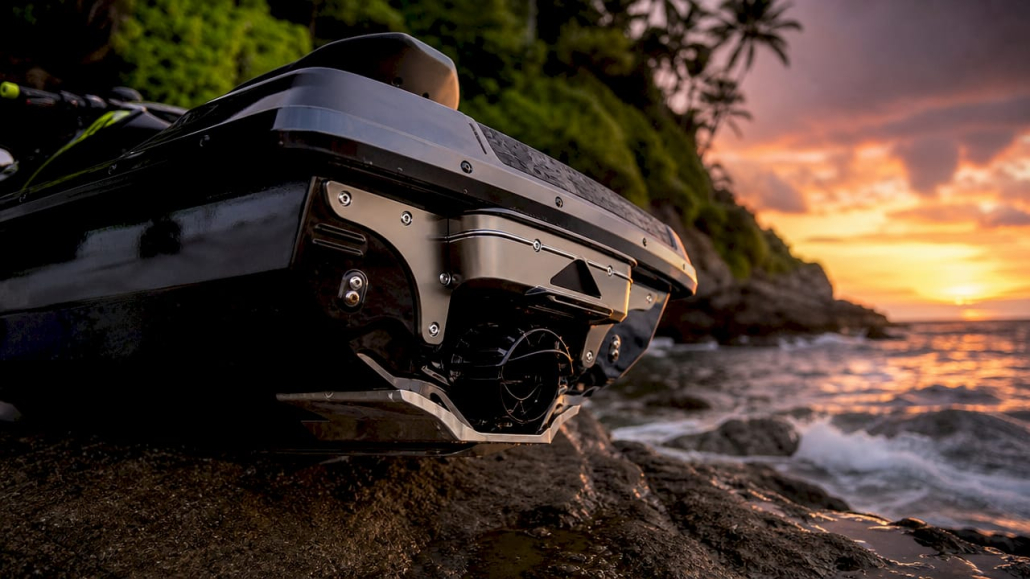
Jet Ski Ride Plate Function: Performance Guide 2026
A jet ski ride plate is defined as the reinforced plate mounted beneath the hull, directly in front of the pump intake, that controls hull attitude, water flow, and stability during operation. This component manages how the watercraft sits in the water, directly affecting handling, speed, and rider control. The jet ski ride plate function extends beyond simple hull protection. It reduces porpoising, improves cornering traction, and positions the pump intake for maximum efficiency. Whether you ride a Yamaha FX, a Kawasaki SXR, or a Sea-Doo Spark, understanding this component is the first step toward real performance gains.
How does a jet ski ride plate affect handling and speed?
The ride plate controls hull attitude by determining how much of the hull contacts the water at speed. A properly set plate keeps the bow down, reduces drag, and channels water cleanly into the pump intake. Change the plate geometry and you change the entire character of the craft.
Ride plates stabilize the craft by reducing porpoising, improving tracking in choppy water, and increasing traction in high-speed cornering. That combination matters most when you are pushing the craft hard through turns or running at full throttle in rough conditions. A stock plate is tuned for general comfort. A performance plate is tuned for control.
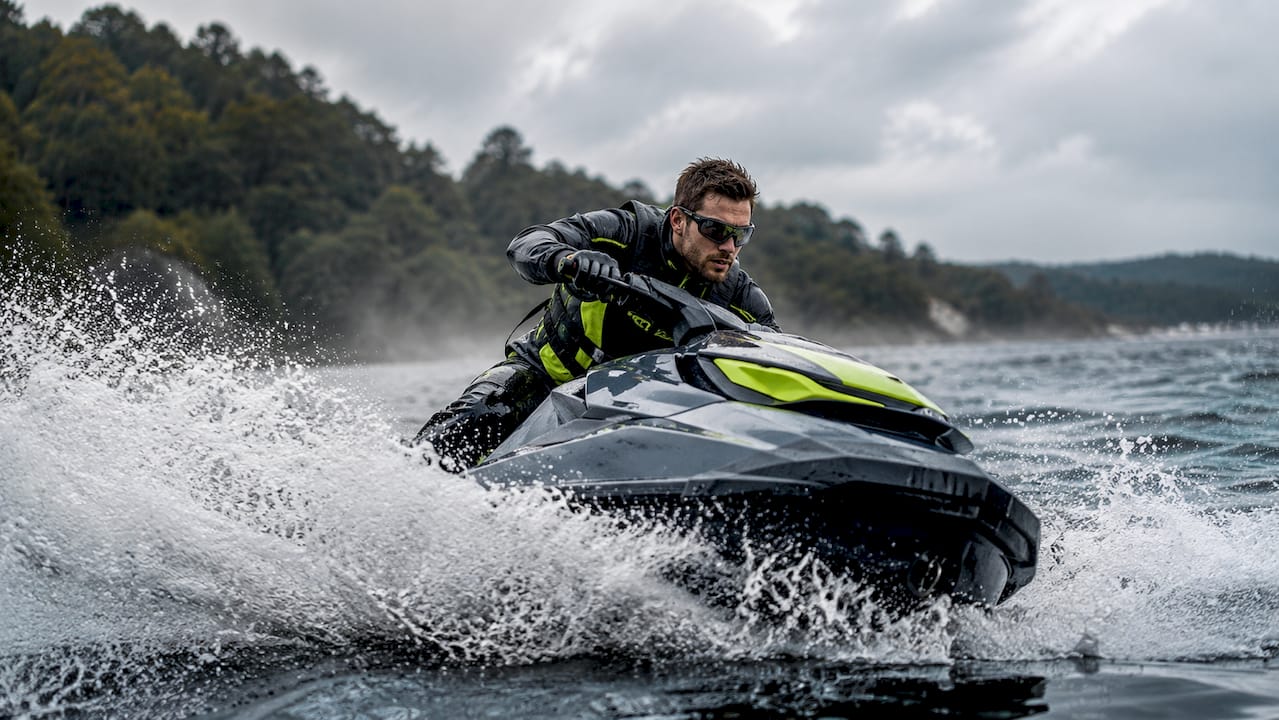
A longer ride plate pushes the pump intake further back and can lift the hull more, directly impacting both pump efficiency and handling balance. This is why plate length is not arbitrary. Longer plates increase stern lift and can improve straight-line speed, but they also reduce the planted feel in tight corners. Shorter or angled plates keep the hull flatter and more responsive.
Here is what changes when you upgrade or adjust your ride plate:
- Straight-line stability: A well-positioned plate reduces bow bounce and keeps the hull tracking true at high speed.
- Cornering grip: More hull contact with water translates to better traction when leaning through turns.
- Pump intake efficiency: A plate that positions the intake correctly prevents air ingestion, which kills thrust.
- Porpoising reduction: The plate dampens the rhythmic bouncing that occurs when the hull skips across choppy water.
The ride plate is primarily a handling tool. Better throttle control and traction in corners are its core contributions, not raw speed alone. Speed gains come as a byproduct of improved pump efficiency and hull attitude.
What are the different types of ride plates and their functions?
Ride plates fall into three broad categories, each with distinct performance trade-offs. Knowing which type fits your riding style prevents costly mistakes.
| Ride Plate Type | Primary Function | Best For |
|---|---|---|
| Stock OEM plate | General stability and hull protection | Recreational riding, casual use |
| Performance aftermarket plate | Improved cornering grip, reduced porpoising | Racing, aggressive riding |
| Extended plate | Increased stern lift, pump repositioning | Speed-focused builds, standup PWC |
| Angled/adjustable plate | Tunable hull attitude | Riders who want a customized setup |
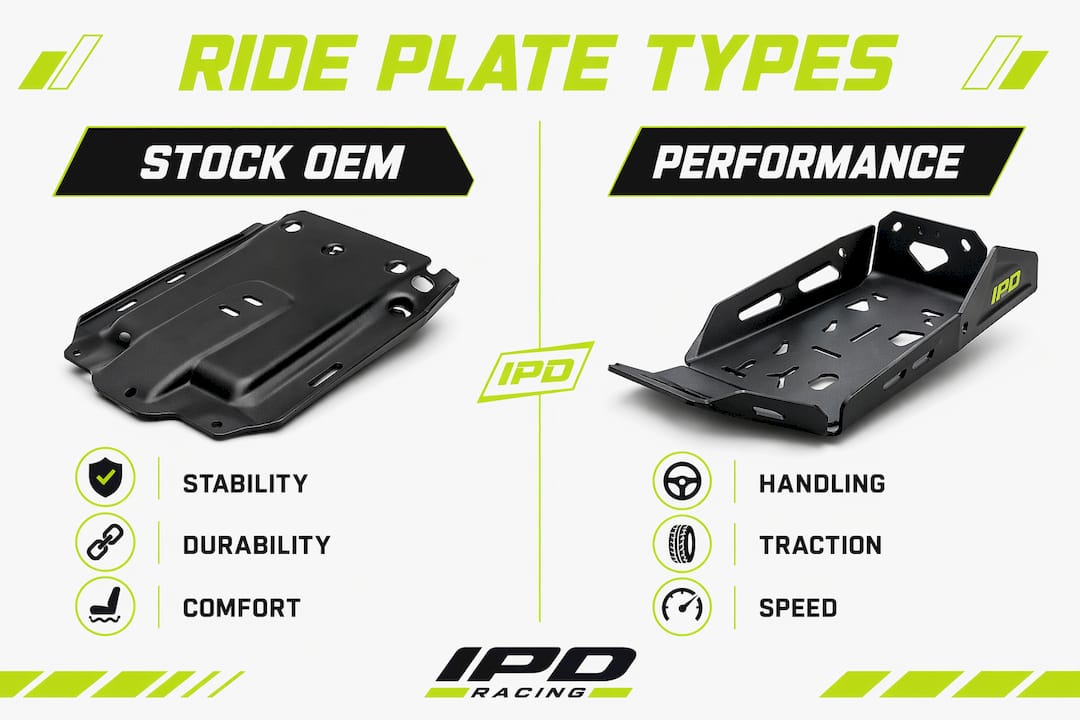
Stock plates from manufacturers like Yamaha and Kawasaki are designed to balance comfort and durability across a wide range of conditions. They work well but leave performance on the table. Performance aftermarket plates, such as those offered through ProWatercraft products, use stiffer materials and refined geometry to sharpen hull response. Extended plates are common on standup PWC builds where pump positioning is critical to thrust efficiency.
Material matters too. OEM plates are typically glass-filled nylon or ABS plastic. Aftermarket performance plates often use carbon fiber reinforced composites or high-density polyethylene, which resist flex under load and maintain their geometry at speed. Flex in a plate under hard cornering loads means inconsistent hull behavior, which is exactly what you do not want.
Pro Tip: If you are unsure which plate type suits your riding style, start with a performance plate from a known brand before committing to an extended plate. Extended plates change hull behavior significantly and require more rider adaptation.
How to adjust and maintain your jet ski ride plate
Ride plate maintenance is one of the most overlooked areas of PWC upkeep. Stress cracks or wear create turbulence that lowers pump efficiency and reduces top speed. A damaged plate does not just look bad. It actively costs you performance every time you ride.
Follow this inspection and maintenance routine to keep your plate in top condition:
- Inspect after every 10 hours of riding. Look for stress cracks, chips, or surface erosion near the pump intake opening. Even small cracks disrupt water flow.
- Check mounting bolt torque. Loose bolts allow the plate to flex and shift under load. Refer to your model’s service manual for the correct torque specification.
- Examine the plate surface for corrosion. Salt water accelerates corrosion on metal fasteners and can degrade composite plates over time. Rinse thoroughly after every salt water session.
- Test for flex by hand. With the craft out of the water, press firmly on the plate. Any noticeable flex indicates material fatigue or a loose mount.
- Assess pump intake alignment. The plate should sit flush with the hull and direct water cleanly into the intake grate. Any misalignment reduces pump efficiency.
For angle adjustment, some riders add washers behind mounting bolts to alter the plate angle and keep the ski’s nose down for a smoother ride. This shim method is a low-cost DIY approach, though it is less precise than installing an adjustable aftermarket plate. Adding a washer to the rear mounting bolts tilts the plate’s leading edge downward, which pushes the bow down at speed.
One sensor consideration that catches many riders off guard: modern performance ride plates may eliminate the paddle wheel speed sensor mounting point. If your craft uses a paddle wheel sensor for GPS or speedometer functions, switching to a performance plate may require upgrading to a GPS-based speed system instead.
Pro Tip: Before installing any aftermarket plate, photograph the stock plate’s mounting position and note the bolt torque values. This gives you a reliable baseline to return to if the new setup does not perform as expected.
When and why should you upgrade your ride plate?
Performance riders prioritize handling upgrades like ride plates before adding engine power, because improved handling directly improves how effectively power transfers to the water. Adding horsepower to a craft with poor hull control produces wheelspin, not speed. Getting the hull right first is the correct sequence.
The clearest signal that an upgrade is warranted is when you notice the craft porpoising at speed, losing traction in corners, or feeling unstable in choppy conditions despite proper maintenance of the stock plate. These are symptoms of a plate that cannot meet the demands of your riding style.
For Yamaha FX riders specifically, installing a performance ride plate on a 2019+ FX can increase top speed by 5 MPH when paired with ECU tuning via MaptunerX. That figure represents a meaningful gain from a single component swap, which explains why the RIVA Yamaha FX plate is one of the most discussed upgrades in the PWC community.
When planning an upgrade, consider these factors:
- Model compatibility: Not all performance plates fit all hull designs. Confirm fitment before purchasing.
- Riding style match: Aggressive racers benefit from stiffer, shorter plates. Recreational riders may prefer a moderate performance plate that improves handling without making the craft feel twitchy.
- Complementary modifications: Performance ride plates work best alongside intake grates and impeller upgrades. These components work together to maximize water flow and thrust efficiency.
- Rider adaptation: Many riders find performance plates make the craft more responsive but with a twitchy feel compared to stock. Budget time to adapt before judging the upgrade.
- Installation nuances: Some plates require hull surface preparation or minor modifications to mounting points. Read installation instructions fully before starting.
For Yamaha-specific builds, the 4-Stroke Superjet platform offers detailed guidance on ride plate installation paired with speed limiter removal, which is relevant for riders pursuing the full performance package.
Key takeaways
The ride plate is the single most impactful handling component on a PWC, and optimizing it before adding engine power produces the most measurable performance gains.
| Point | Details |
|---|---|
| Core function | The ride plate controls hull attitude, water flow, and pump intake position for stability and speed. |
| Plate type selection | Match plate type to riding style: stock for recreation, performance for racing, extended for speed builds. |
| Maintenance priority | Inspect for cracks and loose mounts every 10 hours to prevent pump efficiency loss. |
| Adjustment method | Shim washers behind mounting bolts offer a low-cost way to tune hull attitude without a full plate swap. |
| Upgrade sequence | Upgrade the ride plate before engine modifications to maximize power transfer and control. |
Why I think most riders upgrade in the wrong order
Most riders I have seen come to performance upgrades backwards. They chase horsepower first and wonder why the craft feels unpredictable at speed. The ride plate is not glamorous. It does not have the appeal of a stage 2 ECU tune or a high-flow exhaust. But in my experience, it is the component that makes every other upgrade work better.
After switching to a performance plate on a Yamaha FX build, the first thing I noticed was not speed. It was confidence. The craft tracked straighter, held its line through corners, and stopped porpoising in chop. The speed came later, once the hull was stable enough to use the power efficiently. That sequence matters.
The twitchy feel that some riders complain about after a plate upgrade is real, but it is also temporary. Give yourself three to five sessions to recalibrate. The responsiveness that feels unsettling at first becomes an asset once you trust it. Riders who swap back to stock after one session are leaving real performance gains behind.
One thing I rarely see discussed: the maintenance side of ride plates is just as important as the upgrade side. A cracked or loose stock plate on a well-maintained craft will outperform a premium aftermarket plate that has been ignored for two seasons. Start with inspection. Upgrade from a clean baseline.
— Casey
Upgrade your PWC with quality ride plates from Ipdracing
Ipdracing stocks performance ride plates and complementary PWC upgrades for riders at every level, from weekend recreation to competitive racing.
Whether you are looking for a direct OEM replacement or a full performance plate upgrade for your Yamaha, Kawasaki, or Sea-Doo, the Ipdracing shop carries trusted options backed by real product knowledge. For riders exploring the full range of handling upgrades, the performance parts alternatives guide covers top-rated components for 2026, including ride plates, intake grates, and tuning accessories. Ipdracing also carries ProWatercraft components, a brand known for precision-fit performance parts designed specifically for PWC handling improvement.
FAQ
What does a jet ski ride plate actually do?
A jet ski ride plate controls hull attitude, reduces porpoising, and directs water flow into the pump intake for maximum thrust efficiency. It is the primary handling component on any PWC.
How does ride plate length affect performance?
A longer plate pushes the pump intake further back and lifts the hull more, which can improve straight-line speed but reduces cornering responsiveness. Shorter plates keep the hull flatter and more agile.
Can I adjust my ride plate without buying a new one?
Yes. Adding shim washers behind the rear mounting bolts tilts the plate’s leading edge downward, which pushes the bow down at speed for a smoother ride. This is a low-cost adjustment method, though less precise than an adjustable aftermarket plate.
Will a performance ride plate work with my existing speed sensor?
Not always. Some performance plates eliminate the paddle wheel speed sensor mounting point, requiring a switch to a GPS-based speed system. Confirm sensor compatibility before purchasing any aftermarket plate.
Should I upgrade my ride plate before or after engine modifications?
Upgrade the ride plate first. Performance riders prioritize handling components before engine power because a stable hull transfers power more efficiently to the water, making subsequent engine upgrades more effective.

